Shop on Lazada
WD products
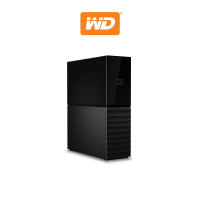
WD My Book™ External Desktop Hard Drive Storage (4TB / 6TB / 8TB / 12TB / 14TB / 16TB / 18TB / 22TB)
$934.00$983.00
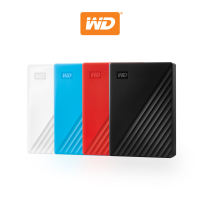
WD My Passport™ External Portable Hard Drive HDD (1TB / 2TB / 4TB / 5TB / 6TB)
$410.00
Buy on Lazada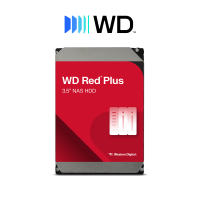
WD Red™ Plus NAS Internal Hard Disk Drive 3.5″ HDD (2TB / 3TB / 4TB / 6TB / 8TB / 10TB / 12B / 14TB)
$851.00
Buy on Lazada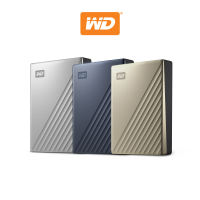
WD My Passport Ultra USB 3.2 Gen 1 Portable Hard Disk
$309.00$325.00
![[NEW 2026 ] WD My Passport USB-C Portable Hard Drive (exFAT Formatted)](https://sg-live.slatic.net/p/67981827bcad6a1025c5ac61be6c7f1c.jpg_200x200q80.jpg)
[NEW 2026 ] WD My Passport USB-C Portable Hard Drive (exFAT Formatted)
$389.00$418.00
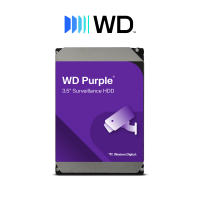
WD Purple™ Surveillance Hard Drive 3.5″ (1TB / 2TB / 3TB / 4TB / 6TB / 8TB)
$552.00
Buy on Lazada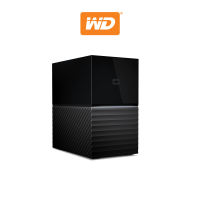
WD My Book™ Duo External Desktop RAID Storage Hard Drive (16TB / 20TB / 28TB / 36TB / 44TB)
$2,136.00$2,248.00
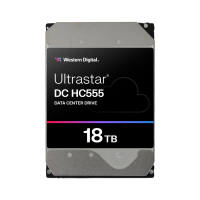
WD Ultrastar DC Data Center SATA Hard Drive (1TB-26TB)
$1,271.00
Buy on LazadaAbout WD
WD is the consumer brand of Western Digital Corporation, a major global manufacturer of digital storage devices and data infrastructure technologies. The brand is best known for its hard disk drives (HDDs), solid-state drives (SSDs), external storage devices, network-attached storage (NAS) solutions, and enterprise storage products. For decades, WD has been recognised as one of the ‘big three’ hard drive manufacturers alongside Seagate and Toshiba.1
Overview
| Attribute | Details |
|---|---|
| Brand | WD (formerly Western Digital brand) |
| Parent Company | Western Digital Corporation |
| Founded | 23 April 1970 |
| Headquarters | San Jose, California, USA |
| Industry | Computer Hardware, Data Storage |
| Products | HDDs, SSDs, External Drives, NAS Storage, Enterprise Storage |
| Markets | Consumer, Business, Enterprise, Data Centres |
| Website | westerndigital.com |
History
1970–1980: Foundation
Western Digital was founded on 23 April 1970, originally operating as General Digital Corporation. The company initially manufactured semiconductor chips and calculator components before expanding into computer hardware. It later adopted the name Western Digital and became known for storage controllers and hard drive technologies.2
1980s: Entry into Storage
During the 1980s, Western Digital developed several key technologies, including hard drive controllers, ATA (IDE) interface technology, graphics and networking hardware, and storage controller chips. Throughout this decade, the company gradually shifted its focus from semiconductors to storage devices.
1990s: Hard Drive Manufacturer
Western Digital established itself as a full hard disk drive manufacturer during this period. Major product families included WD Caviar, enterprise HDDs, and IDE hard drives. Consequently, the WD brand became widely recognised among PC builders.
2000s: Consumer Storage Growth
WD expanded its portfolio to include external hard drives, portable storage, backup solutions, and enterprise storage. Popular products introduced during this era included My Passport, My Book, and WD Elements. The company also launched higher-performance desktop drives such as the Raptor series.
Major Acquisitions
Western Digital strengthened its storage business through strategic acquisitions, including HGST (Hitachi Global Storage Technologies), SanDisk, and G-Technology. These acquisitions significantly expanded its HDD, SSD, and professional storage portfolio.2
Brand Identity
Originally, WD served as the consumer-facing brand of Western Digital. In 2026, the company officially rebranded itself as WD, aligning its corporate identity with the name customers had long used informally. The company now positions WD primarily as a provider of storage infrastructure for AI and large-scale data centres.3
Product Categories
Internal Hard Disk Drives (HDD)
WD manufactures HDDs for desktop computers, laptops, servers, NAS systems, surveillance systems, and enterprise storage. Capacities range from hundreds of gigabytes to tens of terabytes.
Solid State Drives (SSD)
WD has produced SATA SSDs, NVMe SSDs, and PCIe Gen3, Gen4, and Gen5 SSDs. These products target gaming, content creation, and professional workloads. Following the separation of WD’s flash business, many consumer SSDs have transitioned to the SanDisk brand.4
External Storage
Popular external storage series include WD My Passport, WD My Book, WD Elements, and WD easystore. These products are widely used for file backups, media storage, portable storage, and business archives.
NAS Storage
WD develops drives specifically for Network Attached Storage. Typical applications include home servers, small businesses, cloud storage, and media servers.
Enterprise Storage
Enterprise offerings include data centre HDDs, AI storage platforms, high-capacity storage arrays, and cloud infrastructure drives. These are designed for hyperscale cloud providers, large enterprises, and AI workloads.
WD Colour Series
One of WD’s most recognisable marketing strategies is its colour-coded drive lineup, which simplifies product identification based on intended use.
| Colour | Purpose |
|---|---|
| WD Blue | Everyday computing |
| WD Black | Gaming and high performance |
| WD Green | Energy-efficient storage (largely retired) |
| WD Red | NAS systems |
| WD Purple | Surveillance systems |
| WD Gold | Enterprise and data centres |
Each colour represents a different balance of performance, endurance, and workload suitability.
Target Markets
WD products are designed for a diverse range of users, including home users, students, office workers, gamers, photographers, video editors, software developers, data centres, cloud providers, and enterprise IT departments.
Technologies
WD has developed or advanced several key storage technologies, including HelioSeal, ePMR (Energy-Assisted Perpendicular Magnetic Recording), SMR (Shingled Magnetic Recording), CMR (Conventional Magnetic Recording), ArmorCache, and OptiNAND. These technologies aim to increase storage capacity, improve reliability, and reduce power consumption.1
Reputation
WD is widely regarded for its high reliability, broad product portfolio, extensive global support, strong enterprise presence, and long history in storage innovation.
Common criticisms include variations in reliability across certain product generations, confusion among buyers regarding SMR versus CMR drive choices, and changes to warranty terms and software bundles over time.
Competitors
WD competes with companies including Seagate Technology, Toshiba, Samsung Electronics, Crucial, and Kingston Technology.
Vision and Mission
According to the company, WD’s vision is to unleash the power and value of data. Its mission is to lead the data storage market by delivering scalable, sustainable storage solutions for consumers, enterprises, hyperscale cloud providers, and AI-driven workloads.1
Legacy
Over more than five decades, WD has grown from a semiconductor startup into one of the world’s most recognised storage brands. Its products have been used in personal computers, gaming systems, creative workstations, surveillance systems, enterprise servers, and hyperscale data centres, making the brand a major contributor to the evolution of digital storage.2