Shop on Lazada
Xiaomi products
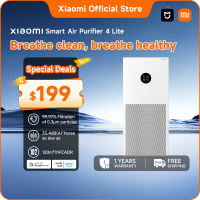
Xiaomi Mijia Smart Air Purifier 4 Lite | Dust and Pollen Filtration Smart Control OLED Display Odour Elimination Second-hand Smoke Removal
$199.00$205.00
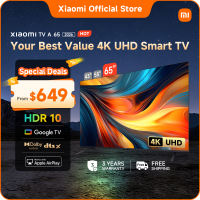
Xiaomi TV A 2026 Series|43/55/65 4K eye-care display with HDR picture quality Sleek metal ultra-thin bezel design immersive sound with Dolby Audio™ DTS:X DTS Virtual:X
$786.00$936.00
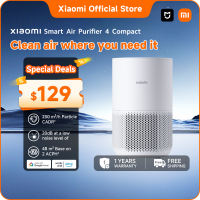
Xiaomi Mijia Smart Air Purifier 4 Compact | Allergen Removal Peaceful 20dB Sleep Low Energy Consumption 27W Automatic Purification Speed Adjustment Odour & Second-hand Smoke Removal
$129.00$169.00
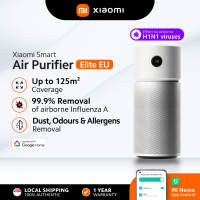
Xiaomi Smart Air Purifier 4 Compact/6/4 Lite/4 Pro/Elite | Purifier 6 l Allergen Removal | Smart Control | Real-Time Air Qual
$497.00$659.00
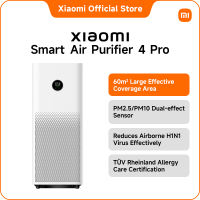
Xiaomi Mijia Mi Smart Air Purifier 4 Pro | Smart OLED Touch Display PM CADR 500m³/h True HEPA Filter 360° Circulation System App + AI Voice Smart Control 120m²/h Effective Coverage Odour & Second-hand Smoke Filtration
$369.00$415.00
Xiaomi TV S Pro Mini LED 2026 | 55″ / 65″ / 75″ QD-Mini LED 144Hz refresh rate Low-reflection display Dolby Atmos® and Harman AudioEFX 55 65 75 inches (3 Years Warranty)
$2,050.00$2,599.00
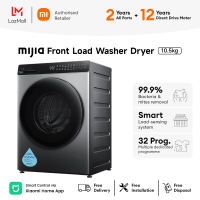
Xiaomi Mijia Front Load Washer Dryer 10.5kg | Washing Machine 10.5kg Large Capacity Fast Drying | FREE DELIVERY & INSTALLATION
$732.00$1,299.00
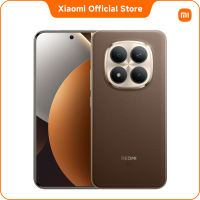
New REDMI Note 15 Pro+ 5G Smartphone |12GB+256GB/12GB+512GB 6500mAh battery with 100W HyperCharge Corning® Gorilla® Glass Victus® 2 New 200MP ultimate-clarity camera 6.83″ 1.5K CrystalRes AMOLED display Snapdragon® 7s Gen 4
$649.00$699.00
About Xiaomi
Xiaomi Corporation (Chinese: 小米集团) is a Chinese multinational consumer electronics and smart manufacturing company headquartered in Beijing, China. Founded in April 2010, Xiaomi is best known for its smartphones but has grown into one of the world’s largest technology companies, offering a broad ecosystem of smart devices, home appliances, wearable technology, electric vehicles, and internet services.1 The company is listed on the Hong Kong Stock Exchange under the stock code 1810.HK.1
Overview
| Category | Information |
|---|---|
| Company Name | Xiaomi Corporation |
| Native Name | 小米集团 (Xiǎomǐ Jítuán) |
| Founded | 6 April 2010 |
| Headquarters | Beijing, China |
| Founder | Lei Jun and seven co-founders |
| Industry | Consumer Electronics, Smart Manufacturing, AIoT, Electric Vehicles |
| Public Listing | Hong Kong Stock Exchange (1810.HK) |
| Area Served | Over 100 countries and regions |
| Products | Smartphones, tablets, laptops, wearables, smart home devices, TVs, electric vehicles, internet services |
| Operating System | HyperOS (formerly MIUI) |
| Employees | Tens of thousands worldwide |
History
Xiaomi was founded in 2010 by entrepreneur Lei Jun together with seven partners, many of whom previously worked at companies such as Google, Microsoft, and Motorola.
The company initially developed MIUI, a customised Android operating system, before launching its first smartphone, the Mi 1, in 2011.
Xiaomi quickly became known for offering flagship-level hardware at competitive prices by operating with relatively low hardware profit margins and emphasising online sales.
Major milestones include:
- 2010 – Xiaomi founded.
- 2011 – First smartphone (Mi 1) released.
- 2013 – Became one of China’s fastest-growing smartphone brands.
- 2014 – Expanded internationally, beginning with India and Southeast Asia.
- 2018 – Listed on the Hong Kong Stock Exchange.
- 2021 – Announced entry into the electric vehicle industry.
- 2023 – Introduced the “Human × Car × Home” ecosystem strategy.
- 2024 – Released its first production electric vehicle, the SU7 sedan.1
Brand Philosophy
Xiaomi’s mission is:
“Making quality technology accessible to everyone.”
Its vision is:
“Make friends with users and be the coolest company in the users’ hearts.”
The company focuses on:
- Innovation
- Honest pricing
- High-quality user experience
- Smart ecosystem integration
- AI-powered connected devices2
Logo
The name “Xiaomi” (小米) literally means “small rice” or “millet” in Chinese.
The “Mi” logo commonly stands for:
- Mobile Internet
- Mission Impossible, reflecting the company’s early challenges and ambitions.2
Product Categories
Xiaomi has expanded far beyond smartphones into a comprehensive technology ecosystem.
Smartphones
The company’s flagship product category includes:
- Xiaomi Number Series
- Xiaomi Ultra Series
- Redmi Series
- Redmi Note Series
- POCO smartphones (international markets)
Tablets
- Xiaomi Pad series
Laptops
- Xiaomi Book
- Redmi Book
Smart Home (AIoT)
Products include:
- Smart TVs
- Robot vacuum cleaners
- Air purifiers
- Smart fans
- Air conditioners
- Smart speakers
- Security cameras
- Smart lighting
- Smart locks
Wearables
- Xiaomi Smart Band
- Xiaomi Watch
- Redmi Watch
- Wireless earbuds
Lifestyle Products
- Electric scooters
- Power banks
- Monitors
- Routers
- Smart luggage
- Mechanical keyboards
- Gaming accessories
Electric Vehicles
Xiaomi entered the automotive market with:
- Xiaomi SU7
- Xiaomi YU7 (SUV)
These vehicles are integrated into Xiaomi’s broader ecosystem and emphasise intelligent connectivity.1
HyperOS
In 2023, Xiaomi introduced HyperOS, replacing MIUI as its next-generation operating system.
HyperOS is designed to unify:
- Smartphones
- Tablets
- Smart TVs
- Cars
- Wearables
- Home appliances
The goal is to create a seamless “Human × Car × Home” ecosystem where devices work together intelligently.2
AIoT Ecosystem
Xiaomi is one of the world’s leading AIoT (Artificial Intelligence + Internet of Things) companies.
Its connected ecosystem includes:
- Smart appliances
- Home automation
- Connected vehicles
- Wearable devices
- Cloud services
- Voice assistants
- Cross-device integration
The company reports more than 1 billion connected AIoT devices (excluding smartphones, tablets, and laptops) on its platform as of the end of 2025.1
Business Strategy
Xiaomi’s growth has been driven by:
- Low hardware profit margins
- Online-first retail
- Community-driven product development
- Fast software updates
- Ecosystem expansion
- Strategic partnerships
This approach has helped the company compete with larger premium brands while maintaining strong value for consumers.
Global Presence
Xiaomi products are sold in:
- China
- India
- Philippines
- Indonesia
- Malaysia
- Singapore
- Europe
- Middle East
- Latin America
- Africa
Overall, Xiaomi operates in more than 100 countries and regions.1
Leadership
Founder
- Lei Jun — Founder, Chairman, and CEO.
Key Executives
- Lin Bin — Co-founder and Vice Chairman.
- Lu Weibing — President and head of the Smartphone Department.1
Market Position
Xiaomi consistently ranks among the top three smartphone manufacturers worldwide by shipment volume. Beyond smartphones, it has become a major player in smart home technology, AIoT, and electric vehicles.1
Core Values
Xiaomi emphasises:
- Innovation
- Accessibility
- Honest pricing
- User-centric design
- Quality manufacturing
- Ecosystem integration
- Continuous software improvement
Interesting Facts
- Xiaomi began as a software company before producing hardware.
- The company has appeared on the Fortune Global 500 list for multiple consecutive years.
- Xiaomi’s products span hundreds of categories, from smartphones and TVs to smart kitchen appliances and electric cars.
- Its ecosystem strategy aims to seamlessly connect personal devices, homes, and vehicles into a unified user experience.1