Shop on Lazada
Zara products
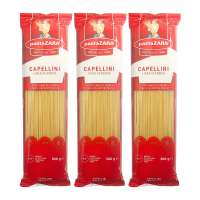
Zara Italian 1 Capellini (Angel Hair) Pasta - Bundle Of 3
$8.25
Buy on Lazada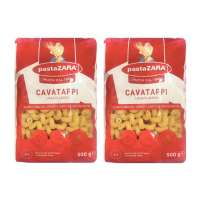
Zara Italian Pasta Cavatappi
$6.10$6.50
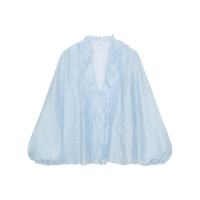
ZARA Shirts Womens Sky Blue V Neck Moderate Other 05029078403-40
$335.00
Buy on Lazada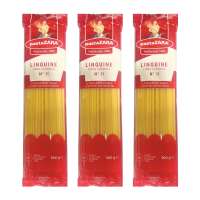
Zara Italian 11 Linguine Pasta - Bundle Of 3
$8.25
Buy on Lazada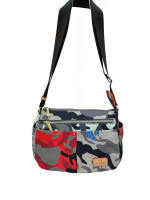
Womens Camouflage Nylon Shoulder & Crossbody Bag Multi-Pocket Waterproof & Lightweight Casual Style for Commute Daily Outings & Mommy Use
$76.00$126.66
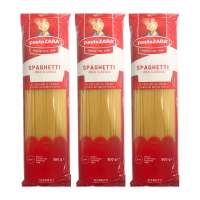
Zara Italian 3 Spaghetti Pasta - Bundle Of 3
$8.25
Buy on Lazada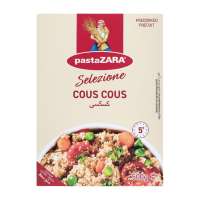
Zara Coucous Semolina Precook
$4.90
Buy on Lazada
Zara Summer Two - Tone Patchwork Loose - Fit Mens Polo Shirt
$22.00$33.00
About Zara
Zara is a Spanish multinational fashion retailer and one of the most influential clothing brands globally. It specialises in affordable, trend-driven apparel, accessories, footwear, fragrances, and beauty products for women, men, and children. As the flagship brand of Inditex (Industria de Diseño Textil, S.A.), one of the world’s largest fashion retail groups, Zara is widely recognised for pioneering the fast fashion business model. This approach enables the rapid translation of runway and street style trends into products available both in-store and online.1
Overview
| Attribute | Details |
|---|---|
| Brand Name | Zara |
| Founded | 9 May 1975 |
| Founder | Amancio Ortega |
| Headquarters | Arteixo, Galicia, Spain |
| Parent Company | Inditex |
| Industry | Fashion Retail |
| Products | Clothing, footwear, accessories, handbags, beauty products, perfumes, swimwear, home décor (via Zara Home) |
| Business Model | Fast Fashion |
| Global Presence | Online in over 200 markets with physical stores across dozens of countries2 |
History
Zara was established in 1975 by Amancio Ortega in A Coruña, Spain. The inaugural store offered stylish clothing inspired by luxury fashion at price points accessible to the average consumer.
Throughout the 1980s, Zara expanded across Spain and developed a revolutionary retail system integrating design, manufacturing, distribution, and sales. This vertically integrated structure allowed the company to respond swiftly to shifting consumer preferences.
International expansion commenced in 1988 with the opening of the first overseas store in Portugal. The brand subsequently entered major global markets, including the United States, France, the United Kingdom, Japan, and China. Today, Zara operates as the flagship brand of Inditex and ranks among the world’s most recognisable fashion retailers.3
Business Model
Zara is renowned for its innovative fast fashion strategy. Key characteristics of this model include:
- Rapid design-to-store turnaround, often completed within weeks.
- Frequent introduction of new collections throughout the year.
- Limited production runs that create a sense of scarcity.
- Close monitoring of customer preferences via store feedback and sales data.
- Vertical integration, with design, production, logistics, and retail operations largely managed in-house.
Unlike many fashion brands, Zara traditionally allocates relatively little budget to advertising. Instead, it relies on prime retail locations, distinctive store design, digital platforms, and word-of-mouth marketing.4
Products
Zara offers an extensive range of fashion products, including:
- Women’s clothing
- Men’s clothing
- Children’s clothing
- Shoes
- Handbags
- Jewellery
- Accessories
- Beauty and cosmetics
- Perfumes
- Swimwear
- Sportswear
- Seasonal collections
The company also operates Zara Home, which specialises in furniture, bedding, décor, tableware, and other homeware items.
Design Philosophy
Zara’s philosophy centres on delivering fashionable designs inspired by luxury trends while maintaining accessible pricing. The company emphasises:
- Minimalist aesthetics
- Contemporary styles
- Neutral colour palettes
- High product turnover
- Trend responsiveness
- Customer-focused design decisions
Rather than adhering to traditional seasonal fashion calendars, Zara continuously updates its collections throughout the year based on real-time demand and emerging trends.5
Global Presence
Zara has developed one of the largest retail networks in the fashion industry. Its operations encompass:
- Physical flagship stores in major cities worldwide.
- E-commerce platforms serving more than 200 markets.
- Integrated online and in-store shopping experiences.
- Technology such as RFID inventory systems and digital retail tools to enhance efficiency and customer service.6
Sustainability
In recent years, Zara and its parent company, Inditex, have expanded sustainability initiatives. These efforts include:
- Collections utilising recycled and lower-impact materials.
- More energy-efficient stores and logistics.
- Programmes for clothing collection and recycling.
- Efforts to improve supply chain transparency and reduce environmental impacts.
Despite these initiatives, Zara continues to face scrutiny regarding the environmental effects of fast fashion, particularly concerning resource usage, waste generation, and garment consumption rates.7
Competitive Advantages
Zara’s success is frequently attributed to several core strengths:
- Fast product development cycles.
- Efficient supply chain management.
- Strong inventory control.
- Continuous product refreshes.
- Global brand recognition.
- Prime retail locations.
- Seamless integration of physical and online retail channels.
Major Competitors
Zara competes with numerous international fashion retailers, including:
- H&M
- Uniqlo
- Mango
- Gap Inc.
- Shein
Legacy
Zara is widely regarded as a pioneer of modern fast fashion. Its ability to move designs from concept to store shelves in a matter of weeks transformed apparel retailing and influenced competitors globally. Today, it remains the flagship brand of Inditex and one of the most recognised fashion retailers internationally, known for combining rapid trend adaptation with a broad global retail presence.8
References
- Company Information | Explore our New Arrivals | ZARA Philippines
- Zara at 50: how the brand rose to the top – and what it’s doing to stay there
- Zara | Inditex People
- Company Information | Explore our New Arrivals | ZARA
- Company Information | Explore our New Arrivals | ZARA
- Company Information | Explore our New Arrivals | ZARA United States
- Zara | Inditex People
- Home | Inditex People