Shop on Lazada
Dr. Hauschka products
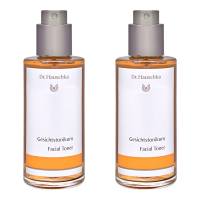
2X Dr. Hauschka Facial Toner (New Version) 100ml
$91.90$150.00
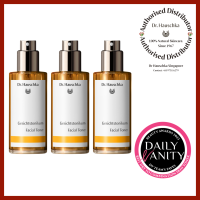
Dr. Hauschka Facial Toner Trio 100ml
$145.00$165.00
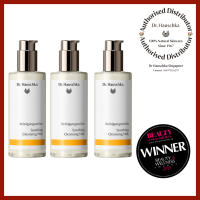
Dr. Hauschka Soothing Cleansing Milk Trio 145ml
$149.00$174.00
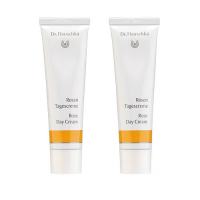
2X Dr. Hauschka Rose Day Cream 30ml
$84.90$140.00
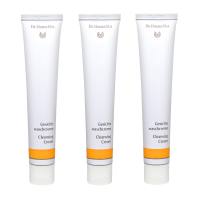
3X Dr. Hauschka Cleansing Cream 50ml
$78.90$130.00
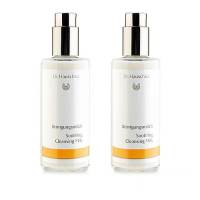
2X Dr. Hauschka Soothing Cleansing Milk 145ml
$92.90$150.00
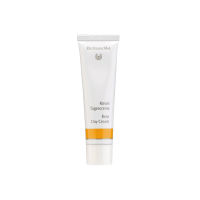
Dr. Hauschka Rose Day Cream 30ml
$46.90$80.00
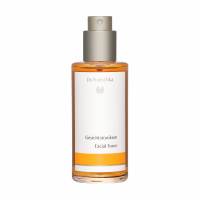
Dr. Hauschka Facial Toner (New Version) 100ml
$45.44$90.00
About Dr. Hauschka
Dr. Hauschka is a German natural skincare and cosmetics brand established in 1967, recognised for its botanical formulations, facial treatments, body care and certified natural makeup. Unlike conventional independent beauty corporations, the brand operates as a division of WALA Heilmittel GmbH, a German pharmaceutical company that also produces WALA medicines. Since 1986, WALA has been wholly owned by the WALA Foundation, ensuring its independence from external shareholders.1 The brand holds a distinctive position in the global beauty industry by integrating natural cosmetics, medicinal plant traditions, biodynamic agriculture, holistic skincare philosophy and anthroposophical concepts regarding nature and human health. Its products are particularly noted for rose-based skincare, botanical extracts, essential oils, minimalist formulations and an emphasis on supporting the skin’s natural rhythms. Dr. Hauschka products are exported to approximately 50 countries worldwide.1119
Quick facts
| Category | Details |
|---|---|
| Brand | Dr. Hauschka |
| Industry | Cosmetics, skincare, makeup, personal care |
| Founded | 1967 |
| Country of origin | Germany |
| Parent company | WALA Heilmittel GmbH |
| Parent company founded | 1935 |
| Founder of WALA | Dr. Rudolf Hauschka |
| Key co-founder of skincare concept | Elisabeth Sigmund |
| Headquarters / production | Eckwälden, Bad Boll, Germany |
| Core positioning | Natural, botanical, holistic skincare |
| Certification | NATRUE-certified natural cosmetics |
| Ownership | WALA Foundation |
| Major categories | Face care, body care, makeup, cleansing, masks, sun care, specialized care |
| International presence | Exported to around 50 countries |
| Signature philosophy | Nature, rhythm, medicinal plants, holistic skin care |
Corporate structure and origins
Dr. Hauschka functions as the beauty and cosmetics arm of WALA Heilmittel GmbH. Understanding this parentage is essential to understanding the brand’s identity, as it emerged not from the traditional perfume or cosmetics industry but from pharmaceutical and medicinal plant research.3 WALA began manufacturing plant-based medicines in the 1930s, and Dr. Hauschka skincare was later developed as an extension of this philosophy into cosmetics. Today, WALA operates two principal divisions: WALA Medicines and Dr. Hauschka Skin Care. Consequently, the brand’s natural product philosophy predates the modern clean beauty movement by several decades.21
Rudolf Hauschka and pharmaceutical foundations
The brand’s technological foundation was laid by Dr. Rudolf Hauschka (1891–1969), an Austrian chemist born in Vienna. In 1929, he developed a proprietary process for producing stable, water-based plant extracts without alcohol or synthetic preservatives, which became a cornerstone of WALA’s manufacturing methods.2 In 1935, he established WALA to manufacture medicinal preparations.3 This pharmaceutical heritage distinguishes Dr. Hauschka from brands that originated in conventional beauty manufacturing.
Anthroposophy and rhythmic processing
A defining aspect of Dr. Hauschka is its historical relationship with anthroposophy. Rudolf Hauschka met Rudolf Steiner, the founder of anthroposophy, and incorporated Steiner’s ideas regarding nature, rhythm and plant processing into his work. Historical materials indicate that Steiner’s concept that “rhythm brings life” encouraged Hauschka to investigate rhythmic approaches to plant extraction.4 This influence underpins recurring philosophical concepts within the brand, including natural rhythms, cycles of nature, medicinal plants, biodynamic agriculture and holistic treatment. While modern communications emphasise botanical ingredients, formulation science and sustainability, the brand’s philosophy remains historically connected to this spiritual and intellectual tradition.4
Elisabeth Sigmund and holistic aesthetics
While Rudolf Hauschka provided the technological and corporate foundation, Elisabeth Sigmund (1914–2013) shaped the brand’s distinctive skincare philosophy. An Austrian researcher, esthetician and natural skincare pioneer, Sigmund developed holistic skincare concepts while living in Sweden during the 1950s. Her approach focused on medicinal plants, facial massage, skin conditions rather than rigid skin types, and the relationship between external appearance and overall wellbeing.5 In 1962, she began collaborating with Rudolf Hauschka and WALA specialists to develop the cosmetic formulations that became Dr. Hauschka Skin Care.10 The brand’s origins are thus best understood as the synthesis of Rudolf Hauschka’s pharmaceutical plant-extraction background and Elisabeth Sigmund’s holistic esthetics.41
History and development
Launch and naming
The first major Dr. Hauschka skincare range launched in 1967 under the name “Dr. Hauschka Heilende Kosmetik nach Elisabeth Sigmund” (Dr. Hauschka Healing Skin Care according to Elisabeth Sigmund). The original assortment included facial cleansing products, Rose Cream, Face Milk and Silk Body Powder.11 The term “healing” reflected the brand’s pharmaceutical roots, although modern cosmetics regulations now restrict such claims for non-medicinal products. In 1978, the name was shortened to Dr. Hauschka Skin Care.6
Key milestones
- 1929: Rudolf Hauschka develops his water-based plant-extraction process.7
- 1935: WALA Medicines are launched and WALA Heilmittel is established.
- 1950: WALA establishes its headquarters in Bad Boll/Eckwälden, where it remains today.
- 1950s: Elisabeth Sigmund develops holistic skincare concepts in Sweden.
- 1962: Sigmund begins collaborating with WALA.10
- 1967: Dr. Hauschka skincare officially launches.11
- 1978: The brand adopts the name Dr. Hauschka Skin Care.6
- 1986: Ownership transfers to the WALA Foundation.16
- 1999: A complete makeup range is launched.9
- 2009: Expansion into specialized medical skincare under Dr. Hauschka Med.
- 2017: Major relaunch and revision of the makeup range.20
Products and formulations
Dr. Hauschka maintains a broad portfolio spanning facial skincare, body care and makeup. The brand organises skincare around changing skin conditions rather than permanently assigning individuals to specific skin types.8
Facial skincare
Facial care constitutes the core of the brand’s offering. Product categories include cleansers, cleansing creams, toners, facial oils, day creams, night care, moisturisers, masks, serums, intensive treatments, eye care, lip care and specialized care for mature, blemished, sensitive or dry skin.818
Body care
The body care range comprises body creams, body oils, shower products, bath products, hand creams, foot care, deodorants and body powders.19
Makeup
Makeup serves as a significant secondary category, featuring foundation, concealer, powder, bronzer, blush, lipstick, lip liner, mascara, eyeliner, eye shadow and highlighter. Formulations utilise botanical oils, waxes, plant extracts and mineral pigments, reflecting the philosophy that makeup should function partly as skincare rather than being purely decorative.920
Rose Day Cream
Rose Day Cream, commonly known as Rose Cream, is one of the brand’s most iconic products and a benchmark in the natural skincare category. It embodies key brand characteristics: rose as a botanical ingredient, rich nourishing textures, plant oils and waxes, traditional herbal knowledge and a sensorial botanical fragrance. Elisabeth Sigmund was directly involved in developing the original rose-based formulation, making it central to the brand’s heritage.15
Philosophy and methodology
Skin rhythm
The concept of rhythm is fundamental to Dr. Hauschka’s approach. The brand views skin as dynamic rather than static, differentiating between daytime barrier functions and nighttime renewal processes. Historically, the brand has recommended lighter, non-occlusive nighttime care, advising against continuously coating the skin with rich products at night. This philosophy aims to support the skin’s own natural activity rather than supplanting its functions.33
Ingredients and formulation standards
Dr. Hauschka formulations are strongly botanical, utilising medicinal plants, botanical extracts, plant oils, plant waxes, essential oils, mineral pigments and natural fragrances. The company states that its products avoid mineral oils, silicones, PEGs, synthetic preservatives, synthetic fragrances and synthetic dyes, prioritising natural raw materials instead.29 However, consumers should note that “natural” does not equate to hypoallergenic; botanical extracts and essential oils may cause irritation or allergic reactions in some individuals.
Organic and biodynamic agriculture
Agricultural practices are integral to the brand’s identity. Dr. Hauschka states that more than 90% of its botanical ingredients are grown through organic agriculture, sourced from its own Demeter-certified biodynamic farm, its medicinal herb garden or ethical wild harvesting.303132 Biodynamic cultivation, influenced by anthroposophical agricultural principles, extends beyond standard organic certification. This vertical integration—from agriculture and extraction to formulation and manufacturing—is a primary differentiator for the brand.28
Manufacturing and certification
Production
Dr. Hauschka products are manufactured at WALA’s site in Eckwälden, Germany. Certain production processes remain manual, and employees from various departments may participate in harvesting activities such as collecting calendula. The company describes this approach as combining nature, craftsmanship and pharmaceutical-quality manufacturing.28
NATRUE certification
Dr. Hauschka skincare products carry NATRUE certification, confirming their status as 100% certified natural cosmetics.3438 NATRUE is an independent international standard that provides defined requirements for natural and organic cosmetics, offering verification beyond marketing terminology.
Sustainability and ethics
Sustainability is embedded in the corporate philosophy rather than treated as a separate marketing initiative. Practices include sourcing predominantly from controlled organic cultivation, utilising biodynamic materials, fair-trade sourcing, rainwater usage, composting plant-production waste, recyclable packaging, certified green electricity, heat recovery and efforts to reduce transportation and resource consumption.121337
Regarding animal testing, Dr. Hauschka states that it has never performed or commissioned animal testing for its products since the brand’s founding in 1967.35
Ownership and business model
Dr. Hauschka operates under an unusual ownership structure for the international beauty industry. In 1986, ownership of WALA was transferred to the WALA Foundation to preserve the company’s independence and prevent its capital and recipes from becoming tradable assets.16 The structure flows from the WALA Foundation to WALA Heilmittel GmbH to Dr. Hauschka Skin Care. WALA describes profit as a means rather than an end, allowing the company to prioritise product development, employees, long-term independence, environmental responsibility and sustainable sourcing over maximising shareholder returns.17252627
Market positioning and cultural significance
Dr. Hauschka occupies a specific niche within the beauty spectrum, situated at the intersection of natural ingredients, medicinal plant heritage, anthroposophical influence, biodynamic agriculture, traditional craftsmanship and holistic skincare rituals. It is positioned as a premium specialist natural brand rather than an inexpensive mass-market alternative.23
The brand appeals to consumers who value botanical ingredients, organic and biodynamic agriculture, traditional herbal knowledge, sensory experiences, sustainability and European natural cosmetics heritage. It is particularly relevant to those seeking alternatives to aggressive active-ingredient skincare models. Conversely, consumers preferring fragrance-free products, minimal ingredient lists, clinical dermatological branding or strong retinoid and acid-based routines may find other brands more suitable.39
Historically, Dr. Hauschka helped establish the premium natural skincare category decades before concepts such as clean beauty, biodynamic ingredients and wellness-oriented beauty became mainstream. It belongs to the first generation of modern European natural cosmetics brands alongside companies such as Weleda.36
Distinction from clean beauty
Dr. Hauschka predates the modern clean beauty movement by decades. Rather than focusing primarily on exclusion lists of undesirable ingredients, its historical approach asks what the skin needs and how plants, natural materials, formulation, rhythm and craftsmanship can support it. This represents a broader and older philosophical framework than contemporary clean beauty marketing typically encompasses.22
Strengths and limitations
Key strengths include nearly six decades of skincare history, authenticity preceding the clean beauty trend, a distinctive philosophical identity, rigorous ingredient sourcing, NATRUE certification, foundation ownership and signature products such as Rose Cream.14 Potential limitations include the philosophical baggage associated with anthroposophy, the use of essential oils and fragrances that may not suit all users, premium pricing relative to mass-market skincare and the distinction between brand philosophy and clinically established dermatological evidence. Consumers should recognise that natural ingredients do not automatically guarantee superior efficacy, safety or tolerance for every individual.40
Most historical, manufacturing, ownership and sustainability information regarding Dr. Hauschka derives from the company’s own published materials, representing documented history and stated philosophy rather than independent verification of all marketing or efficacy claims.24
References
- Origins | Dr. Hauschka
- Company | Dr. Hauschka
- Dr. Rudolf Hauschka | Dr. Hauschka
- Certified natural , organic cosmetics | Dr. Hauschka
- Elisabeth Sigmund: Skin care is health care | Dr. Hauschka
- Company | Dr. Hauschka
- The history of Dr. Hauschka products/Dr. Hauschka | Dr. Hauschka Cosmetics – Nature’s treasures transformed for you
- Natural face care for all skin conditions | Dr. Hauschka
- Dr. Hauschka Make-up: 100 % certified natural cosmetics | Dr. Hauschka
- A free spirit. | Dr. Hauschka
- Natural Skin Care for Face and Body | Dr. Hauschka
- Questions on the environment | Dr. Hauschka
- Sustainability | Dr. Hauschka
- True Story – Prof. Dr Florian Stintzing and Annette Greco (Dr. Hauschka) | NATRUE
- Origins | Dr. Hauschka
- More than always just me, me, me | Dr. Hauschka
- Company | Dr. Hauschka
- Natural skin care & face care | Dr. Hauschka
- Natural Skin Care for Face and Body | Dr. Hauschka
- Dr. Hauschka Make-up: 100 % certified natural cosmetics | Dr. Hauschka
- Dr. Hauschka – a brand embodied by two people – WALA Heilmittel GmbH
- We are Space and Time – WALA Heilmittel GmbH
- Natural. Different. Effective. – WALA Heilmittel GmbH
- The value of touch – WALA Heilmittel GmbH
- Eine gründende Idee – WALA Arzneimittel, Dr. Hauschka Kosmetik, Dr. Hauschka Med
- Verantwortung als Kapital – WALA Arzneimittel, Dr. Hauschka Kosmetik, Dr. Hauschka Med
- Hinter die Zahlen blicken – WALA Arzneimittel, Dr. Hauschka Kosmetik, Dr. Hauschka Med
- The art of producing cosmetics | Dr. Hauschka
- Pure nature | Dr. Hauschka
- Interview with Bernhard Ehrmann Head of the WALA medicinal herb garden | Dr. Hauschka
- Grassroots movement. | Dr. Hauschka
- Nurturing plants | Dr. Hauschka
- Our Signature Skincare Ritual | Dr. Hauschka
- 100 % Natural Skin Care | Dr. Hauschka
- About Us – Dr. Hauschka Cosmetics – Nature’s treasures transformed for you
- In brief – Dr. Hauschka Cosmetics – Nature’s treasures transformed for you
- Sustainability – Dr. Hauschka Cosmetics – Nature’s treasures transformed for you
- Dr. Hauschka products are authentic natural cosmetics – Dr. Hauschka Cosmetics – Nature’s treasures transformed for you
- Natural facial care in line with the brand concept | Dr. Hauschka
- Natural Organic Cosmetics | Dr. Hauschka
- Elisabeth Sigmund: Skin care is health care | Dr. Hauschka Shop