Shop on Lazada
Elizabeth Arden products
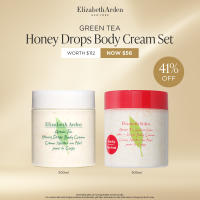
Buy 1 Get 1 | Elizabeth Arden Green Tea Honey Drops Body Cream Duo Set
$56.00$112.00
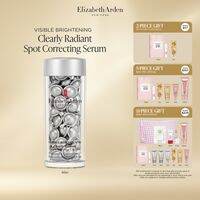
Elizabeth Arden Visible Brightening Spot Correcting Capsules 60 pcs
$142.80$168.00
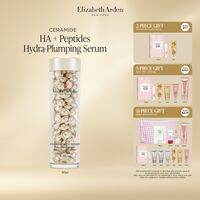
Elizabeth Arden Hyaluronic Acid + Peptides Ceramide Capsules Hydra-Plumping Serum 90 Capsules
$187.00$220.00
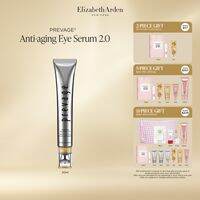
Elizabeth Arden Prevage 2.0 Anti-Aging Eye Serum 20ml
$126.65$149.00
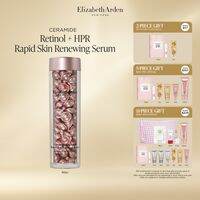
Elizabeth Arden Retinol + HPR Ceramide Capsules Rapid Skin Renewing Serum 90 Capsules (Targets wrinkles dull skin and fine lines)
$187.00$220.00
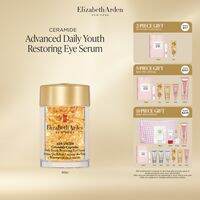
Elizabeth Arden Advanced Ceramide Anti-Aging Youth Restoring Eye Serum - 60 Capsules: Targets crows feet puffiness and dark circles
$99.45$117.00
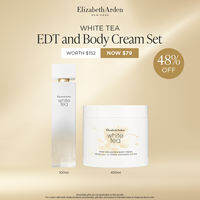
Elizabeth Arden White Tea EDT & Body Cream Set
$79.00$153.00
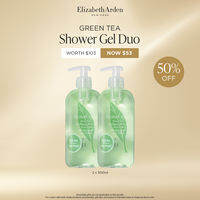
Buy 1 Get 1 | Elizabeth Arden Green Tea Shower Gel 500ml Duo Set
$50.00$100.00
About Elizabeth Arden
Elizabeth Arden is an American heritage beauty brand best known for its skincare, cosmetics and fragrances. Founded by pioneering beauty entrepreneur Elizabeth Arden (born Florence Nightingale Graham) in New York City in 1910, the brand played a pivotal role in transforming cosmetics from a niche product into a sophisticated modern consumer industry. Today, Elizabeth Arden operates as a prestige beauty brand within the global portfolio of Revlon. 1
Brand overview
| Category | Information |
|---|---|
| Brand | Elizabeth Arden |
| Founded | 1910 |
| Founder | Elizabeth Arden (Florence Nightingale Graham) |
| Origin | New York City, United States |
| Industry | Beauty and cosmetics |
| Main categories | Skincare, cosmetics, fragrances |
| Best known for | Eight Hour Cream, Ceramide Capsules, PREVAGE, Red Door, Green Tea |
| Parent company | Revlon |
| Positioning | Prestige / premium beauty |
| Signature visual identity | Red door and red branding |
| Heritage | More than 100 years |
The brand defines its heritage through innovation, entrepreneurship, skincare science and female empowerment. Its corporate history emphasises that beauty should be approached holistically via skincare, science, wellness and self-care, rather than solely through makeup.
The founder: Elizabeth Arden
The history of the brand is intrinsically linked to its founder. Elizabeth Arden was born Florence Nightingale Graham in Canada before relocating to New York, where she entered the nascent beauty industry and developed a keen interest in skincare, cosmetics and treatments. Adopting the professional name Elizabeth Arden, she established what would become an international beauty empire. 2
Her entrepreneurial approach was distinctive for the early 20th century. Rather than viewing cosmetics merely as decorative items, Arden championed a broader concept of “Total Beauty”, integrating skincare, cosmetics, physical fitness and general well-being. 3 This philosophy laid one of the foundational pillars of the modern prestige beauty sector.
The famous Red Door
In 1910, Elizabeth Arden opened her first beauty salon on Fifth Avenue in New York City. The entrance was painted a distinctive red to stand out amongst other businesses on the fashionable street, eventually becoming one of the most recognisable symbols associated with the brand.
The Red Door evolved beyond a physical entrance to become a visual representation of the Elizabeth Arden identity. It later inspired one of the company’s most iconic fragrances: Elizabeth Arden Red Door, launched in 1989, which drew direct inspiration from the original salon.
From salon to beauty company
While the original business focused on salon services, it quickly expanded into skincare and cosmetics. Around 1916–1917, the company introduced a comprehensive line of skincare and colour cosmetics. Elizabeth Arden also pioneered travel-size beauty products, enhancing convenience and portability for consumers. 6
This strategic shift allowed the business to reach customers beyond the physical salon environment. Arden effectively helped establish a model now standard in the industry: transitioning from beauty services and professional expertise to branded products, retail distribution and ultimately a global beauty brand. By the 1930s, Elizabeth Arden salons had expanded internationally to major fashion capitals worldwide.
Approach to beauty
A central tenet of the brand’s heritage is its emphasis on science and skincare. Elizabeth Arden believed cosmetics should not simply conceal imperfections but that skincare should improve the underlying condition of the skin. Her philosophy, known as Total Beauty, combined:
- Skincare
- Cosmetics
- Scientific formulation
- Beauty treatments
- Nutrition
- Exercise and wellness
- Personal grooming 4
This holistic approach anticipated the modern beauty industry’s integration of skincare, cosmetics, wellness and lifestyle by more than a century.
Major innovations
Elizabeth Arden and its founder are credited with several significant innovations in the American beauty industry:
Eye makeup
Elizabeth Arden helped introduce eye makeup to American women after observing cosmetic practices in Europe. 5
Travel-size cosmetics
The company pioneered travel-size beauty products, a concept that has since become standard across modern cosmetics and personal care. 6
Beauty demonstrations and saleswomen
The company developed a network of travelling demonstrators and saleswomen to bring beauty products directly to consumers. 7
Beauty as a complete lifestyle
Arden established the idea that skincare, makeup, physical wellness and personal presentation could form a unified beauty philosophy.
Eight Hour Cream
One of the brand’s most enduring products is Eight Hour Cream, introduced in 1930. Described as a multitasking product, it has remained popular internationally for decades due to its versatility. Rather than being positioned exclusively as a conventional face cream, it gained a reputation as a multipurpose beauty balm. Despite shifting cosmetic trends over nearly a century, Eight Hour Cream remains a defining product in the Elizabeth Arden portfolio.
The Ceramide legacy
The Ceramide skincare technology is another cornerstone of the Elizabeth Arden identity. The brand introduced its iconic Ceramide Capsules in 1990; the gold capsules became one of the most recognisable product designs in the industry. 8
These capsules established a key aspect of the modern brand image: scientific skincare combined with luxurious presentation and distinctive packaging. The capsule format became so strongly associated with the brand that the product remains instantly recognisable even without prominent branding. Ceramide continues to be one of the principal skincare franchises today.
PREVAGE
In 2005, Elizabeth Arden introduced PREVAGE, an advanced anti-aging skincare collection centred on the antioxidant Idebenone. 9 This line represents a distinct facet of the brand compared to its heritage offerings:
- Eight Hour Cream represents heritage and versatility.
- Ceramide focuses on moisturisation and skin barrier health.
- PREVAGE targets advanced anti-aging and antioxidant protection.
Together, these lines demonstrate the brand’s effort to balance its historic identity with contemporary skincare science.
Fragrance
Fragrance is a significant component of the Elizabeth Arden business. Notable lines include:
- Red Door: A classic, glamorous fragrance linked to the brand’s salon heritage.
- Green Tea: A fresher, lighter scent that achieved widespread international recognition.
- 5th Avenue: Connected to New York sophistication and the brand’s origins.
- White Tea: A contemporary interpretation of understated, clean luxury.
Corporate materials currently identify White Tea, Red Door, 5th Avenue and Green Tea among the principal fragrance lines. 18
Elizabeth Arden and women’s rights
The brand’s history intersects significantly with the women’s rights movement. In 1944, Arden participated in a women’s suffrage demonstration on Fifth Avenue, distributing red lipstick as a symbol of solidarity. 10
During World War II, the brand also supported women serving in the military. Arden developed Montezuma Red, a lipstick designed to complement the uniforms of female armed forces members. This initiative helped imbue lipstick with cultural meaning beyond cosmetics, serving as an expression of identity, confidence and solidarity.
Business leadership
Elizabeth Arden was one of the earliest major female entrepreneurs in the American beauty industry. According to official brand history, she became the first businesswoman to appear on the cover of TIME magazine in 1946. 11 By this time, she had built a substantial international business and become a prominent public figure, achieving significant success in an era when major corporations were predominantly male-led.
Spa heritage
For much of its history, the brand was associated with salons and spas alongside consumer products. A notable development was Maine Chance, opened in 1934 and described in historical accounts as the first destination spa in America. 12 This reflected Arden’s belief that beauty was connected to wellness, promoting a complete beauty experience encompassing skin, body and overall care rather than just cosmetic application.
Royal connection
In 1962, Elizabeth Arden received a Royal Warrant from Queen Elizabeth II. 13 Historically signifying that a company supplied goods or services to the British Royal Household, this warrant reinforced the brand’s image of prestige and international recognition.
Brand evolution
Elizabeth Arden has evolved through several distinct phases:
- 1910s–1930s: Began with beauty treatments, skincare and cosmetics.
- 1930s–1950s: Achieved global reputation and expanded portfolio, including Eight Hour Cream and fragrances.
- 1960s–1980s: Became increasingly associated with established luxury and department-store beauty.
- 1980s–2000s: Strengthened position in skincare and fragrance with Red Door and Ceramide.
- 2000s–2010s: Reinforced scientific credentials with PREVAGE and advanced skincare.
- 2016–present: Integrated into Revlon’s global beauty portfolio. 14
Acquisition by Revlon
A major turning point occurred in 2016 when Revlon agreed to acquire Elizabeth Arden for $14 per share in cash, representing an enterprise value of approximately $870 million. The acquisition was completed on September 7, 2016, making Elizabeth Arden a wholly owned subsidiary. 15
The transaction was strategically driven: Revlon gained a strong portfolio in prestige skincare, colour cosmetics and fragrance, while Elizabeth Arden accessed Revlon’s extensive international infrastructure. 16 Revlon continues to identify Elizabeth Arden as one of its principal brands across skincare, colour cosmetics, fragrance and professional products. 17
Current product categories
The modern portfolio comprises three primary areas:
Skincare
Widely considered the brand’s strongest category, major franchises include:
- Ceramide
- Eight Hour
- PREVAGE
- SUPERSTART
- Visible Difference
- Skin Illuminating
Revlon describes Elizabeth Arden as possessing an extensive portfolio of prestige skincare, colour and fragrance products. 18
Makeup
Historically, the brand has offered foundation, lipstick, mascara, eye makeup, powders and other complexion products. Makeup was particularly significant during the brand’s early development, helping to normalise cosmetics among American women. 19
Fragrance
Key fragrance families include Red Door, Green Tea, 5th Avenue and White Tea. Fragrance remains a vital component of the global portfolio. 20
Brand identity
The Elizabeth Arden identity is defined by several core concepts:
- Heritage: Over a century of beauty industry history.
- Skincare science: Strong emphasis on formulations and skin health.
- Prestige: Traditional department-store and premium positioning.
- Femininity: Historically marketed around women’s beauty and self-care.
- Innovation: Pioneering travel-size cosmetics, capsules and advanced skincare.
- Red-door heritage: Distinctive visual link to the original Fifth Avenue salon.
- Total Beauty: Founder’s philosophy connecting beauty, skincare and wellness.
Market positioning
Elizabeth Arden occupies a unique position within the beauty industry. Unlike modern “trend beauty” brands, its primary competitive advantage is heritage. With a lineage tracing directly to a pioneer of American cosmetics and products like Eight Hour Cream and Ceramide Capsules spanning decades, the brand offers continuity that newer companies cannot replicate.
Simultaneously, it maintains a science-oriented skincare identity, particularly through Ceramide and PREVAGE. Its positioning can be summarised as classic American beauty heritage combined with skincare science and prestige presentation.
Comparison with competitors
| Brand type | Typical positioning | Elizabeth Arden’s contrast |
|---|---|---|
| Mass beauty | Affordable, highly accessible | More prestige-oriented |
| Luxury beauty | Exclusivity and luxury image | More heritage/science focused |
| Clinical skincare | Dermatology and clinical credibility | More beauty/lifestyle oriented |
| K-beauty | Innovation, trends, elaborate routines | More traditional Western heritage |
| Indie beauty | Founder-driven, trend-focused | Much older and institutionally established |
| Fashion beauty | Strong connection to fashion houses | More focused on beauty and skincare itself |
This results in a distinctive market identity: sufficiently established to possess genuine heritage, yet structured as a contemporary global beauty company.
Major milestones
- 1910: First Red Door salon opens on Fifth Avenue.
- 1916–17: Full skincare and colour cosmetics line introduced; travel-size products developed.
- 1930: Eight Hour Cream launches.
- 1934: Maine Chance destination spa opens.
- 1944: Arden supports women’s suffrage; later develops Montezuma Red for service women.
- 1946: Elizabeth Arden becomes first businesswoman featured on the cover of TIME.
- 1962: Royal Warrant granted by Queen Elizabeth II.
- 1989: Red Door fragrance launches.
- 1990: Ceramide Capsules launch.
- 2005: PREVAGE launches.
- 2010: Brand celebrates its 100th anniversary.
- 2016: Revlon completes acquisition of Elizabeth Arden.
References
- About Us – Elizabeth Arden
- About Elizabeth Arden – Corporate
- Elizabeth Arden: Our Heritage: Early Start – a global prestige beauty fragrance cosmetics and skincare products company
- SEC
- SEC
- SEC
- Cosmetic Entrepreneur Elizabeth Arden Born – This Month in Business History – Research Guides at Library of Congress
- Elizabeth Arden Building (U.S. National Park Service)
- sec.gov
- sec.gov
- sec.gov
- sec.gov
- sec.gov
- L’histoire d’Elizabeth Arden | Elizabeth Arden | France – Elizabeth Arden France
- Human Resources: Jobs and Career Opportunities, Elizabeth Arden – Corporate
- Our Policies – Elizabeth Arden
- Red Door Perfume, a Signature Fragrance | Elizabeth Arden
- Perfumes and Bath & Body Care Fragrances | Elizabeth Arden
- ELIZABETH ARDEN
- Über Elizabeth Arden – Elizabeth Arden Deutschland