Shop on Lazada
Forever 21 products
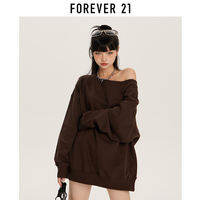
Forever 21 | Autumn Slouchy Hot Style Sweatshirt
$42.39$92.33
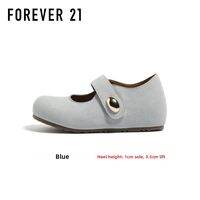
Forever 21 | New Summer Versatile Birkenstock Shoes
$37.39$58.71
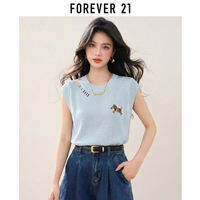
Forever 21 | Sleeveless Thin Embroidered Knit Vest
$40.31$90.51
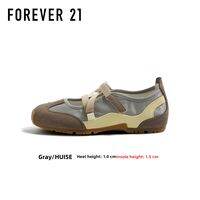
Forever 21 | Ballet Style Mary Jane Sports Casual Summer New Low-cut Soft Sole Shoes
$35.56$54.65
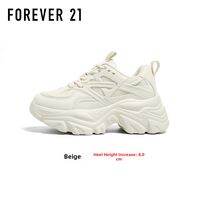
Forever21 | Chunky Sole Dad Shoes for Height Increase Women Breathable Casual Shoes
$38.69$60.01
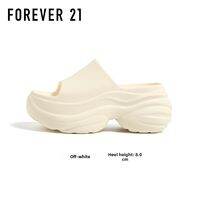
Forever 21 | High Heel Increase 8cm Light Women Summer Slippers
$24.28$46.98
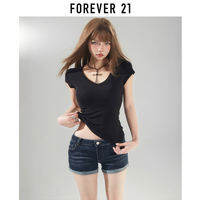
Forever21 | New Arrivals Slim V-Neck Short Sleeve T-Shirt
$21.81$64.06
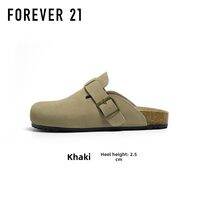
Forever 21 | Spring New Arrival Thick Soft Sole Easy-on Clog Shoes
$35.71$60.60
About Forever 21
Forever 21 is an American fast-fashion retail brand best known for offering trendy, affordable clothing, accessories, and lifestyle products aimed primarily at teenagers and young adults. Founded in 1984 in Los Angeles, California, the company became one of the most recognisable names in global fast fashion during the 2000s and early 2010s. The brand gained popularity by rapidly bringing runway-inspired styles to market at low prices, making fashion accessible to a broad audience.1
Overview
- Founded: 16 April 1984
- Original Name: Fashion 21
- Founders: Do Won Chang and Jin Sook Chang
- Headquarters: Los Angeles, California, United States
- Industry: Fashion retail (Fast Fashion)
- Products: Women’s, men’s, and children’s clothing, shoes, accessories, beauty products, and lifestyle items
- Target Market: Teenagers, young adults, and value-conscious fashion shoppers
- Website: Forever 21
History
Founding (1984)
Forever 21 was founded by South Korean immigrants Do Won Chang and Jin Sook Chang after they moved to the United States in 1981. Before starting the business, the couple worked various jobs whilst saving money. They invested approximately $11,000 to open a small 900-square-foot clothing store called Fashion 21 in the Highland Park neighbourhood of Los Angeles.
The store quickly became successful, generating approximately $700,000 in sales during its first year. Encouraged by this success, the founders expanded rapidly and later renamed the business Forever 21, a name intended to represent youth, energy, and timeless fashion.2
Rapid Expansion
Throughout the 1990s and 2000s, Forever 21 became one of the fastest-growing apparel retailers in the United States.
Its business strategy focused on:
- Producing trendy clothing inspired by runway and celebrity fashion
- Introducing new collections multiple times each week
- Offering fashionable items at affordable prices
- Opening large stores in shopping malls and high-traffic retail centres
The company expanded internationally and eventually operated hundreds of stores across North America, Europe, Asia, Latin America, and the Middle East. At its peak, Forever 21 generated over $4 billion in annual revenue and became a symbol of the fast-fashion industry.3
Products
Forever 21 offered a wide variety of merchandise, including:
- Women’s fashion
- Men’s apparel
- Kids’ clothing
- Dresses
- Denim
- Activewear
- Lingerie
- Swimwear
- Shoes
- Handbags
- Jewellery
- Beauty products
- Home accessories
- Seasonal collections
The company also launched several sub-brands over the years targeting different fashion styles and customer segments.4
Business Model
Forever 21 is considered one of the pioneers of fast fashion.
Its business model emphasised:
- Fast product design and manufacturing
- Frequent inventory updates
- Affordable pricing
- Large physical retail stores
- Trend-driven collections with short product life cycles
This allowed customers to purchase fashionable clothing at prices significantly lower than many traditional fashion brands.5
Brand Identity
Forever 21 positioned itself as a youthful and accessible fashion brand.
Its brand values have included:
- Affordable style
- Self-expression
- Trend awareness
- Inclusivity
- Fashion accessibility
The company’s recent branding describes its mission as empowering self-expression through fashionable products at accessible prices.6
Challenges and Bankruptcy
Despite its rapid growth, Forever 21 faced significant challenges during the late 2010s, including:
- Overexpansion into very large retail locations
- Increasing competition from online retailers
- Growth of digital-first fast-fashion companies such as Shein and Fashion Nova
- Declining shopping mall traffic
- Changing consumer preferences towards sustainability
- Rising operating costs
In 2019, Forever 21 filed for Chapter 11 bankruptcy protection, closing many stores worldwide as part of a restructuring effort. In 2020, its assets were acquired by a consortium that included Authentic Brands Group, Simon Property Group, and Brookfield Property Partners.7
The US operating business later faced another bankruptcy process in 2025, leading to the closure of many US stores, while the Forever 21 brand continued through licensing, online sales, and international operations.8
Influence on Fashion
Forever 21 played a major role in shaping global fast fashion by:
- Making runway-inspired clothing affordable for everyday consumers
- Popularising rapid inventory turnover
- Helping define “mall fashion” culture during the 2000s and early 2010s
- Influencing competitors and the broader retail industry
The brand became especially popular among Millennials and early Gen Z shoppers for its wide variety of inexpensive, trend-focused clothing.9
Criticism
Forever 21 has also faced criticism regarding:
- Environmental impacts associated with fast fashion
- Labour and manufacturing practices within global supply chains
- Copyright and design infringement lawsuits
- Product quality concerns
- Overconsumption encouraged by low-cost, rapidly changing fashion
These issues mirror broader debates surrounding the fast-fashion industry as a whole.10
Legacy
Forever 21 remains one of the most recognisable names in modern fashion retail. Although its US operations have undergone major restructuring, the brand’s influence on affordable fashion, youth culture, and fast-fashion retail is significant. Its rise demonstrated how quickly fashion trends could be commercialised, while its later struggles highlighted the challenges of adapting to e-commerce, changing consumer values, and an increasingly competitive global market.
References
- Forever 21
- The History of Forever 21
- About – Forever 21
- Help Center
- Forever 21’s Linda Chang: Overexpansion brought company to bankruptcy
- Forever No More. Operator of mall staple Forever 21 files for bankruptcy protection
- The rise and fall of Forever 21, a pioneer of American fast fashion retail
- Goodbye, Forever 21. You gave us just the polyester top we needed.
- Here’s What Forever 21’s Bankruptcy Could Mean for the Future of Fast Fashion
- Forever 21 – Wikidata