Shop on Lazada
Kodak products
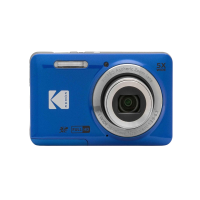
Kodak Pixpro FZ55 Digital Camera 1 Year Manufacturer Local SG Warranty
$235.00$249.00

KODAK 10.1 Inch WiFi Digital Picture Frame with 32GB Storage Electronic Smart Digital Photo Frame 1280x800 IPS Touch Screen Auto-Rotate Share Moments Instantly Gifts for Women Mothers Day Christmas
$113.00$216.58

KODAK 15.6 inch Large WIFI Digital Photo Frame 1920*1080 IPS Touch Screen PictureBuilt-in 32G storage Wall-Mounted Advertising Machine Full Function Electronic Album
$169.00$646.31
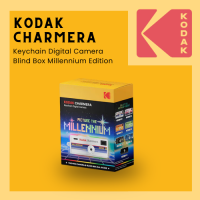
Kodak Charmera Digital Camera Millennium Edition Mini Keychain Camera & Blind Box
$69.00$79.00
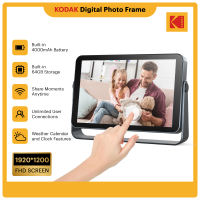
【One year warranty】 Kodak 10 Inch WiFi Digital Photo Frame with Rechargeable Battery1920*1200 FHD Touch Screen Wide Picture Screen Clear with 32GB Storage Share Photo Video Music via APP with Family Instantly
$159.00$519.00
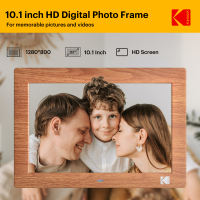
Kodak 10.1 Inch Electronic Picture Frame with Remote Control Electronic Digital Frame with 1280*800 High Resolution IPS Screen Images/Videos/Music Player Auto Switch ON/OFF
$66.50$355.39
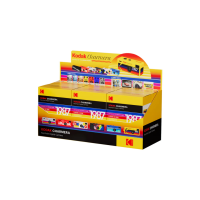
KODAK CHARMERA Keychain Digital Camera (Blind Box) Collection Digital Camera Keychain bundle
$444.00$528.00
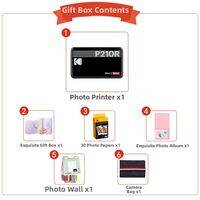
Kodak | Portable Bluetooth Photo Printer 4PASS Thermal Dye
$273.23$298.99
About Kodak
Kodak (officially Eastman Kodak Company) is one of the world’s most iconic imaging and photography brands. Founded in the late 19th century, Kodak revolutionised photography by making cameras affordable and easy to use for everyday people. Throughout much of the 20th century, the company dominated the global photography industry and became synonymous with capturing memories. Today, Kodak has transformed into a technology company focused on commercial printing, advanced materials, specialty chemicals and motion picture film, while its famous consumer brand continues through licensing and selected imaging products.1
Basic Information
| Attribute | Details |
|---|---|
| Full Name | Eastman Kodak Company |
| Brand Name | Kodak |
| Founded | 1888 (Kodak brand), company origins in 1880 |
| Founder | George Eastman |
| Headquarters | Rochester, New York |
| Industry | Imaging, Printing, Advanced Materials, Specialty Chemicals |
| Stock Exchange | NYSE: KODK |
| Current CEO | Jim Continenza |
| Website | Kodak Official Website |
History
Early Beginnings (1880–1900)
Kodak traces its roots to 1880, when George Eastman began manufacturing dry photographic plates in Rochester, New York. In 1888, he introduced the Kodak camera, the first camera designed for ordinary consumers rather than professional photographers.
The camera came preloaded with enough film for 100 photographs. After users finished the roll, they mailed the entire camera back to Kodak, which developed the photos, reloaded the camera and returned it.
This business model was promoted with the famous slogan:
“You press the button, we do the rest.”
The name Kodak was invented by Eastman himself because he wanted a short, distinctive and easily recognisable word beginning and ending with the letter K.2
Growth and Innovation
Kodak introduced many products that shaped modern photography.
Major Innovations
- 1889 – First commercial transparent roll film
- 1900 – Brownie Camera ($1), making photography affordable for millions
- 1935 – Kodachrome colour film
- 1963 – Instamatic camera with cartridge-loading film
- 1975 – World’s first digital camera prototype (invented by Kodak engineer Steve Sasson)
- 1986 – First practical megapixel CCD image sensor
- 1995 – Kodak DC40 consumer digital camera
- 2001 – EasyShare digital camera system3
The Kodak Brand
For decades, Kodak became one of the most recognised consumer brands in the world.
The company’s signature yellow-and-red branding became instantly recognisable, and the phrase “Kodak Moment” entered popular culture to describe a memorable event worth photographing. Kodak also invested heavily in advertising and sponsorships, helping establish photography as a common part of family life and travel.4
Contributions to Photography
Kodak transformed photography by making it:
- Affordable
- Portable
- Easy to use
- Accessible to non-professionals
Before Kodak, photography required specialised equipment and chemical expertise. Kodak simplified the process through consumer cameras, roll film and photo processing services, enabling millions of people to document everyday life.5
Motion Picture Industry
Kodak has been a major supplier of motion picture film.
Its film stock has been used in countless Hollywood productions, and the company has received multiple technical awards from the film industry for innovations in motion picture technology. Even today, many filmmakers continue to use Kodak film for its distinctive look.6
Digital Photography
One of the most interesting chapters in Kodak’s history is its role in digital photography.
In 1975, Kodak engineer Steve Sasson built the world’s first digital camera prototype. Although Kodak continued investing in digital imaging and released several consumer digital cameras in later years, the company’s traditional film business declined rapidly as digital photography became mainstream. Kodak eventually filed for bankruptcy protection in 2012 and restructured its operations.7
Bankruptcy and Transformation
In 2012, Kodak filed for Chapter 11 bankruptcy protection in the United States.
Following restructuring, the company shifted away from most consumer camera businesses and focused on:
- Commercial printing
- Digital printing systems
- Industrial imaging
- Specialty chemicals
- Advanced materials
- Motion picture film
Kodak emerged from bankruptcy in 2013 as a smaller company with a stronger emphasis on industrial and business customers.8
Kodak Today
Modern Kodak is no longer primarily a consumer camera company.
Its core businesses include:
- Commercial printing technology
- Inkjet printing systems
- Offset printing plates
- Motion picture film
- Specialty chemicals
- Industrial materials
- Functional printing technologies
The Kodak name is also licensed for selected consumer products, including some digital cameras and related electronics manufactured by partner companies under the Kodak brand.7
Famous Products
Some of Kodak’s best-known products include:
- Kodak No. 1 Camera
- Brownie Camera
- Kodachrome Film
- Ektachrome Film
- Instamatic Camera
- EasyShare Cameras
- Kodak Gold Film
- Kodak Portra Film
- Kodak Tri-X Film
- Kodak Vision3 Motion Picture Film9
Business Philosophy
George Eastman built Kodak around several principles:
- Customer-first thinking
- Mass production at affordable prices
- Worldwide distribution
- Strong advertising
- Continuous research and innovation
These ideas helped Kodak become one of the world’s first truly global consumer brands.10
Legacy
Kodak’s influence extends beyond photography. The company:
- Popularised personal photography.
- Played a key role in the development of motion picture film.
- Helped advance digital imaging technology.
- Holds tens of thousands of patents earned over more than 130 years of research and development.
- Left a lasting cultural impact through the enduring idea of the “Kodak Moment”.11
Summary
Kodak is one of the most influential brands in the history of photography. Founded by George Eastman in the late 19th century, it transformed photography from a complex technical process into an everyday activity. Although the company faced major challenges during the transition from film to digital imaging, it continues to operate as a technology company focused on commercial printing, advanced materials and imaging solutions while maintaining a globally recognised brand with a legacy spanning more than 140 years.12
References
- Company | Kodak
- History | Kodak
- George Eastman | Kodak
- Photography | Kodak
- Milestones | Kodak
- Kodak cautions on business operations but remains confident it can meet debt obligations
- Why third-party licensees of Kodak and Yashica brands are succeeding where more major camera manufacturers aren’t
- Why is Kodak still the brand for photo memories ? | Kodak
- Our History | Kodak
- About Us | Kodak
- Kodak Ltd | Science Museum Group Collection
- Kodak – WikiZero