Shop on Lazada
Playboy products
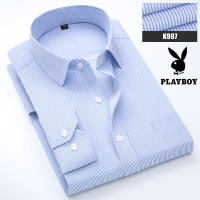
PLAYBOY Fashion Mens New Business Shirt Grid Casual Shirt Long sleeved slim fitting shirt
$17.99$35.99
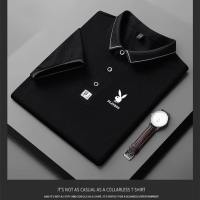
PLAYBOY POLO shirt mens short sleeved t-shirt summer youth thin cut breathable lapel t-shirt business trend
$15.38$29.98
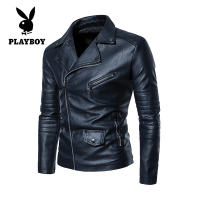
PLAYBOY Leather Jacket Mens Autumn and Winter Vertical Collar Motorcycle Jacket Work Jacket Fashionable PU Leather Jacket
$37.99$75.99
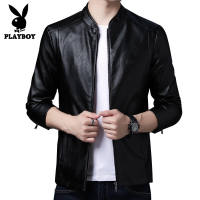
PLAYBOY Mens Leather Coat Slim Korean Style Handsome Leather Jacket Male Brushed And Thick Locomotive Youth Autumn And Winter Trend Coa(M-4XL)
$36.99$79.99
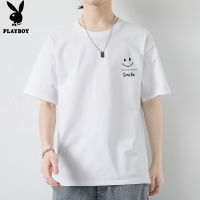
PLAYBOY Round Neck T-shirt Mens 2025 Summer Loose Short Sleeved T-shirt Mens Base Shirt Trendy Brand Top
$14.99$23.99
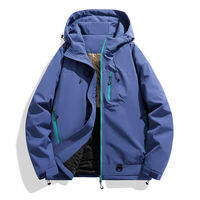
PLAYBOY Outdoor Couple Windproof Hooded Cotton Coats for Men Winter Graphene Warm Thickened Casual Outdoor Loose Solid Color Down Jacket
$27.99$55.98
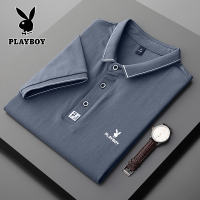
PLAYBOY POLO shirt Mens Short Sleeve T-shirt Summer Youth Thin Mens Breathable Polo Business T-shirt for men
$14.99$29.98
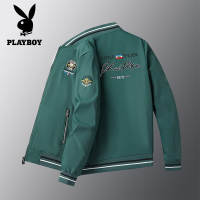
PLAYBOY Geborduurde Baseball Uniform Heren Jas Flight Jacket 2021 En Najaar Casual Trendy Heren Bomber Flight Jacket
$24.38$47.98
About Playboy
Playboy is an American lifestyle, entertainment and consumer products brand established in 1953 by Hugh Hefner in Chicago, Illinois. Originally launched as a men’s lifestyle magazine, it has evolved into one of the world’s most recognisable global brands, with interests spanning fashion, licensing, television, hospitality, digital media and consumer goods. Today, Playboy operates primarily as a lifestyle and licensing company, with products and content available in approximately 180 countries.1
History
Founding (1953)
Hugh Hefner published the first issue of Playboy in December 1953. The inaugural edition featured previously published photographs of Marilyn Monroe, which contributed to the magazine’s immediate commercial success.
Unlike many men’s magazines of its era, Playboy combined:
- Lifestyle journalism
- Fiction
- Celebrity interviews
- Fashion
- Culture
- Humour
- Photography
This editorial mix distinguished the publication from titles focused solely on adult imagery.2
Growth
During the 1960s and 1970s, Playboy expanded into numerous business ventures, including:
- Playboy Clubs
- Television productions
- Hotels and resorts
- Casino licensing
- Consumer merchandise
- International magazine editions
By the mid-1970s, the magazine’s circulation exceeded 5 million copies, ranking it among the world’s highest-selling publications.3
The Playboy Bunny
One of the brand’s most enduring symbols is the Playboy Bunny, a hostess employed at Playboy Clubs who wore an iconic costume comprising:
- Bunny ears
- Corset
- Cuffs
- Collar
- Bow tie
- Cotton tail
The Bunny became a globally recognised symbol of both the Playboy brand and popular culture.
The Bunny Logo
The Playboy Rabbit Head, commonly referred to as the Playboy Bunny logo, was designed by art director Art Paul in 1953. The logo features:
- A rabbit profile
- A bow tie
- A minimal black silhouette
It remains one of the most recognisable trademarks in the fashion and entertainment sectors.
Editorial Reputation
Beyond its pictorials, Playboy gained recognition for publishing works by acclaimed writers, including:
- Arthur C. Clarke
- Ian Fleming
- Vladimir Nabokov
- Margaret Atwood
- Haruki Murakami
Its long-form interviews featured politicians, actors, athletes, musicians, scientists and cultural figures, earning the magazine acclaim for its journalism alongside its entertainment content.2
Fashion Brand
In contemporary markets, Playboy is widely recognised as a fashion and streetwear brand. Licensed products include:
- T-shirts
- Hoodies
- Jackets
- Denim
- Footwear
- Underwear
- Accessories
- Watches
- Bags
- Fragrances
- Eyewear
- Home goods
The Bunny logo has achieved status as a fashion icon, particularly across Asia, Europe and North America.
Licensing Business
Rather than manufacturing most products directly, Playboy licenses its trademarks to manufacturers worldwide. Major licensed categories include:
- Apparel
- Footwear
- Jewellery
- Cosmetics
- Mobile accessories
- Hospitality
- Gaming
- Consumer electronics
Licensing has become one of the company’s primary sources of revenue.1
Magazine Evolution
The original monthly print magazine ceased regular publication in 2020 as the company shifted its focus towards digital media.
In 2025, Playboy relaunched its print magazine as a quarterly publication, with an emphasis on fashion, culture, celebrity features, interviews and artistic photography.4
Company Today
The company, now known as Playboy, Inc. (formerly PLBY Group), describes itself as a global pleasure and leisure lifestyle company. Its business activities focus on:
- Brand licensing
- Consumer products
- Digital media
- Magazine publishing
- Partnerships
- Entertainment experiences
The Playboy brand maintains its global presence primarily through licensing and branded products rather than magazine sales.1
Cultural Impact
Playboy has exerted significant influence on popular culture since the 1950s. Supporters credit the brand with helping to normalise conversations about sexuality and with publishing influential journalism and literature. Critics, conversely, argue that aspects of the brand contributed to the objectification of women and promoted gender stereotypes. These contrasting perspectives have made Playboy a frequent subject of cultural, historical and academic discussion.3
Key Facts
| Attribute | Information |
|---|---|
| Founded | 1953 |
| Founder | Hugh Hefner |
| Headquarters | Miami Beach, Florida (announced relocation)5 |
| Industry | Lifestyle, media, consumer products, licensing |
| Famous Logo | Playboy Bunny |
| Magazine Launch | December 1953 |
| Original Focus | Men’s lifestyle and entertainment magazine |
| Current Focus | Lifestyle brand, licensing, fashion, digital media, magazine |
Today, Playboy is best understood as a global lifestyle brand whose influence extends beyond its magazine origins into fashion, licensing, media and consumer products. Its rabbit-head logo remains one of the most recognisable brand symbols worldwide.