Shop on Lazada
L’occitane products
![LOCCITANE Almond Shower Oil Nourishing & Moisturizing Body Wash(250ml / 500ml / refill) [*New / old packaging shipped randomly]](https://sg-test-11.slatic.net/p/2a9c1b3f5a561771e081dfde07659f14.jpg_200x200q80.jpg)
LOCCITANE Almond Shower Oil Nourishing & Moisturizing Body Wash(250ml / 500ml / refill) [*New / old packaging shipped randomly]
$70.99$155.00
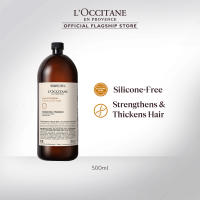
L’Occitane Volume & Strength Shampoo Refill 500ml – Silicone-Free Strengthens & Thickens Hair
$52.00
Buy on Lazada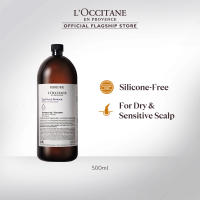
L’Occitane Gentle & Balance Shampoo Refill 500ml – Silicone-Free For Dry & Sensitive Scalp
$52.00
Buy on Lazada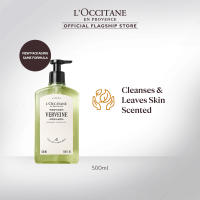
L’Occitane Verveine (Verbena) Shower Gel 500ml – Cleansing & Perfumed Skin
$61.00
Buy on Lazada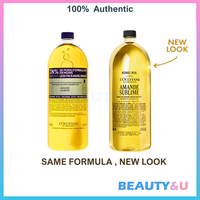
LOCCITANE Almond Shower Oil Refill
$59.50$80.00
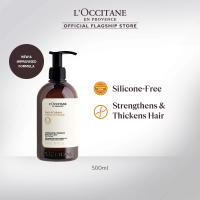
L’Occitane Volume & Strength Shampoo 500ml – Silicone-Free Strengthens & Thickens Hair
$62.00
Buy on Lazada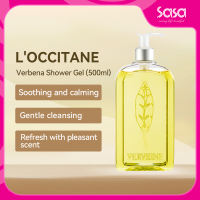
LOCCITANE Verbena Shower Gel (500ml)
$61.99$135.00
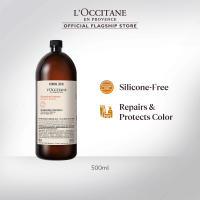
L’Occitane Intensive Repair Shampoo Refill 500ml – Silicone-Free Repairs & Protects Color
$52.00
Buy on LazadaAbout L’occitane
L’Occitane en Provence, commonly referred to as L’occitane, is a French premium beauty and wellness brand renowned for skincare, body care, fragrances, soaps, hair care, and home products. The brand’s identity is deeply rooted in the landscapes, flora, traditions, and lifestyle of Provence in southern France.
Established in 1976 by Olivier Baussan, L’occitane began with the distillation of rosemary essential oil sold at local Provençal markets. Over five decades, it has evolved from a small regional enterprise into a globally recognised beauty Maison operating more than 3,000 boutiques worldwide. In 2026, L’occitane marks its 50th anniversary 1.
Basic Information
| Category | Information |
|---|---|
| Brand Name | L’Occitane en Provence |
| Common Name | L’occitane |
| Founded | 1976 |
| Founder | Olivier Baussan |
| Origin | Provence, France |
| Industry | Beauty, cosmetics, skincare, wellness |
| Main Products | Skincare, body care, hand care, fragrances, hair care, soaps, home fragrance |
| Parent Group | L’OCCITANE Group |
| Chairman & CEO | Reinold Geiger |
| Positioning | Premium / prestige beauty |
| Core Inspiration | Provence, botanicals, natural ingredients, Provençal culture |
| Global Presence | 90+ countries (Group); 3,000+ boutiques (L’occitane) |
| 2026 Milestone | 50 years since founding |
The L’OCCITANE Group identifies L’Occitane en Provence as its heritage brand and the foundation of its global business operations 2.
Etymology and Brand Identity
The name L’Occitane references Occitania, the historical and cultural region of southern France associated with the Occitan language. The suffix “en Provence” translates to “in Provence”. Collectively, the name signifies “the woman or person from Occitania, in Provence”.
This nomenclature is integral to the brand’s identity. Rather than positioning itself solely as a French cosmetics manufacturer, L’occitane curates a specific vision of southern French life, encompassing nature, craftsmanship, and sensory pleasure.
History
1976: Foundation
The brand was founded by Olivier Baussan at the age of 23. Motivated by the flora of Provence, Baussan utilised a traditional still to distil rosemary essential oil, which he sold at local markets. This initial venture established the core pillars of the business: Provençal plants, essential oils, traditional production methods, natural ingredients, and the sensory experience of the region 3. Baussan subsequently expanded the product range to include soaps, creams, and other beauty preparations 4.
1981: Manufacturing Expansion
In 1981, the company opened its first manufacturing site, marking a transition from a small-scale artisanal operation to a structured beauty company 5. This development cemented the brand’s enduring philosophy of transforming ingredients and traditions associated with nature and Provence into modern beauty products.
1990s: Internationalisation
Austrian entrepreneur Reinold Geiger played a pivotal role in the company’s international growth. Joining L’occitane in 1996, he acquired the company in 1997, formed the L’OCCITANE Group, and initiated a significant international expansion strategy 6. While this transformed L’occitane into a global business, the fundamental concept remained unchanged: linking Provence, plants, natural ingredients, craftsmanship, and sensory beauty.
2000s–Present: Multi-Brand Portfolio
The L’OCCITANE Group has since developed into an international portfolio of eight premium beauty brands through acquisitions and development. These include Melvita, Erborian, L’OCCITANE au Brésil, LimeLife, ELEMIS, Sol de Janeiro, and Dr. Vranjes Firenze 7. Despite this diversification, L’Occitane en Provence remains the heritage brand upon which the Group’s identity was originally built.
Corporate Structure and Ownership
It is necessary to distinguish between the consumer brand and the parent entity:
- L’Occitane en Provence: The retail beauty brand offering products such as Shea Butter Hand Cream, Immortelle skincare, and Verbena collections.
- L’OCCITANE Group: The parent company managing the portfolio of brands, including ELEMIS, Sol de Janeiro, and Dr. Vranjes Firenze 8.
Regarding ownership, L’OCCITANE Group completed the voluntary delisting of its principal entity, L’Occitane International S.A., from the Hong Kong Stock Exchange on 16 October 2024, transitioning to private ownership 9. The Group is currently majority-owned by Chairman and CEO Reinold Geiger and his family 10.
Brand Philosophy
Provence as a Brand Universe
Provence serves as more than a geographic origin; it constitutes the brand’s entire universe. Visual and sensory elements frequently evoke lavender fields, Mediterranean sunlight, olive groves, traditional markets, and rustic villages. This distinct aesthetic differentiates L’occitane from generic natural cosmetics companies.
Botanical Focus
Product development centres on botanical ingredients linked to specific terroirs:
- Shea Butter: Associated with West Africa; a cornerstone of the hand and body care range.
- Almond: Sourced from Provence; central to the body care collection.
- Immortelle: A Corsican flower used in premium anti-aging skincare.
- Lavender: An emblematic plant of Provence.
- Verbena: Utilised extensively in fresh fragrances and body products.
The brand combines these botanicals, often inspired by Haute-Provence, with modern scientific formulation 11.
Market Positioning
L’occitane occupies the premium/prestige beauty segment. It is positioned above mass-market and mainstream natural beauty brands but remains more accessible than ultra-luxury fashion houses or niche haute parfumerie. Its competitive identity blends natural ingredients, Provençal heritage, sensory experience, premium packaging, and accessible luxury.
Key competitors in various categories include The Body Shop, Rituals, Aesop, Kiehl’s, Caudalie, Clarins, Diptyque, and Nuxe. However, L’occitane maintains a distinctive position through its profound connection to Provence as both a place and a lifestyle.
Product Categories
Skincare
The skincare range spans daily moisturisers to advanced anti-aging solutions. The Immortelle family, formulated with immortelle flower extracts and essential oil, represents the brand’s premium skincare offering.
Hand Care
Hand cream is one of L’occitane’s most recognisable categories. The Shea Butter Hand Cream is considered an iconic product that helped elevate hand care from a functional pharmacy item to a premium gifting category.
Body Care
Body care is a major pillar, featuring collections such as Almond, Shea, Verbena, Lavender, Cherry Blossom, Rose, and Aromachologie. Formats include lotions, shower oils, gels, creams, and scrubs. The Almond Shower Oil is a signature product that achieved strong sell-out rankings in the United States during FY2025 12.
Fragrance
Fragrances are constructed around places, plants, and sensory memories rather than traditional luxury perfumery concepts alone. Scents inspired by Verbena, Lavender, Cherry Blossom, Neroli, Citrus, and Rose reinforce the brand’s philosophy of translating the Provençal landscape into olfactory experiences.
Hair Care
The Aromachologie hair care line integrates aromatherapy principles and botanical ingredients with scalp care, emphasising essential oils and sensory fragrance.
Iconic Ingredients
| Ingredient | Brand Association |
|---|---|
| Shea Butter | Nourishing body and hand care |
| Almond | Body care, specifically the Almond collection |
| Immortelle | Premium facial skincare and anti-aging |
| Lavender | Provence and relaxation |
| Verbena | Fresh, citrus-like fragrance |
| Cherry Blossom | Floral fragrance and body care |
| Rose | Floral skincare and fragrance |
| Citrus | Fresh Mediterranean sensory identity |
Packaging and Visual Identity
Packaging design is central to brand recognition, typically featuring cream and natural tones, botanical illustrations, vintage-inspired typography, aluminium tubes, and recyclable materials. This aesthetic communicates a blend of French tradition, naturality, and understated luxury, contrasting with the futuristic packaging of many contemporary skincare brands.
Sustainability and Social Impact
Sustainability has been integral to L’occitane for decades, focusing on responsible sourcing, biodiversity, packaging reduction, and community development. The brand reports working with 80 farming partnerships and approximately 10,000 pickers 13. The L’OCCITANE Group is also a certified B Corporation 14.
Shea Butter and Women’s Empowerment
A key social initiative involves shea butter production in Burkina Faso. L’occitane supports women involved in environmentally friendly processing, reinforcing the philosophy that natural beauty should generate positive social impact 15.
Animal Testing Policy
L’occitane states it has opposed animal testing since 1976. Current policy prohibits testing products, active ingredients, or raw materials on animals during development or manufacturing, and requires suppliers to adhere to these standards.
Global Retail and Hospitality
L’occitane operates an extensive international network comprising over 3,000 boutiques, approximately 100 spas, and 2,500 partner hotels. The wider L’OCCITANE Group has a presence in over 90 countries 16.
Retail environments are designed to resemble Provençal beauty boutiques, featuring wooden displays, warm lighting, and natural materials to create an immersive sensory experience. Beyond retail, the brand has expanded into hospitality with Le Couvent des Minimes, un Hôtel et Spa L’Occitane en Provence, offering treatments that integrate massage, facials, and wellness rituals.
Business Performance
Corporate Mission
The L’OCCITANE Group’s mission is stated as: “Together, with empowerment, we positively impact people and regenerate nature.” This reflects a corporate philosophy integrating people, nature, and business rather than treating sustainability as a separate function 19.
Strengths and Challenges
Strengths
- Distinct Identity: Strong association with Provence.
- Iconic Products: Recognisable entry points like Shea Butter Hand Cream.
- Sensory Experience: Central focus on texture, fragrance, and ritual.
- Global Distribution: Extensive physical retail visibility.
- Gifting Appeal: Packaging and formats suited for gifts.
- Sustainability Narrative: Credible sourcing and social initiatives.
Challenges
- Competition: Crowded premium skincare market.
- Consumer Expectations: Demand for clinical efficacy alongside natural ingredients.
- Brand Aging: Need to maintain relevance with younger demographics while honouring heritage.
- Premium Pricing: Requirement to justify price points through tangible quality and experience differences.
50th Anniversary
The year 2026 marks 50 years since the founding of L’occitane. The anniversary celebrates five decades of transforming natural ingredients into sensorial beauty and wellness products 20. While the scale has expanded dramatically since Olivier Baussan first distilled rosemary in 1976, the core proposition of nature, Provence, craftsmanship, and sensory beauty remains consistent 21.
References
- L’OCCITANE Group celebrates 50 years of L’Occitane en Provence | Group L’OCCITANE
- Our brands | Group L’OCCITANE
- Who we are | Group L’OCCITANE
- 50 Years of Life Ties
- L’Occitane History | Information About The Brand | L’Occitane en Provence
- OUR GOVERNANCE | Group L’OCCITANE
- Group L’OCCITANE
- Artboard 1 copy 3
- L’OCCITANE Group – 2025 Sustainability Report
- Skin Care | Sustainable Beauty | L’OCCITANE | L’Occitane en Provence
- L’OCCITANE Group announces its new corporate mission | Group L’OCCITANE
- Media room | Group L’OCCITANE
- L’OCCITANE Group celebrates 50 years of L’Occitane en Provence | Group L’OCCITANE
- Financial Fact Sheet FY2025 Annual Results | Group L’OCCITANE
- L’OCCITANE en Provence celebrates their 47th anniversary | Group L’OCCITANE
- About the Brand, History & Commitments | L’OCCITANE Australia
- L’Occitane History | Information About The Brand | L’Occitane Singapore
- Financial publications | Group L’OCCITANE
- Publications | Group L’OCCITANE
- Financial publications | Group L’OCCITANE
- FY2025 | L’occitane