Shop on Lazada
Mammut products
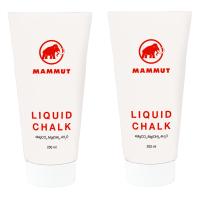
Mammut Liquid Chalk (200ml) (2 Tubes)
$42.00$65.00
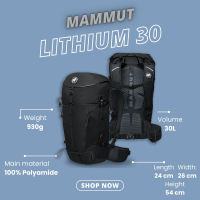
Mammut Lithium 30 Hiking Backpack (Black)
$289.00$299.00
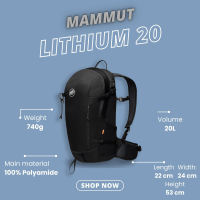
MAMMUT Lithium 20 - Lightweight hiking and trekking backpack (Black)
$229.00
Buy on Lazada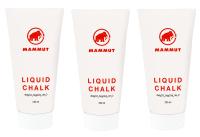
Mammut Liquid Chalk (200ml) (3 Tubes)
$62.17$88.00
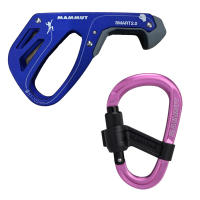
MAMMUT Smart 2.0 Belay Package
$94.69$109.00
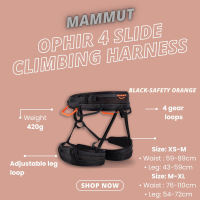
Mammut Ophir 4 Slide Climbing Harness (Black-Safety Orange)(UNISEX)
$131.62$159.00
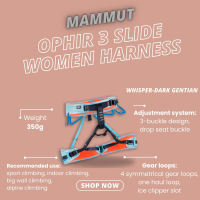
MAMMUT Ophir 3 Slide Women Harness (Whisper-Dark Gentian)
$132.96$169.00
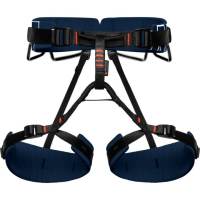
Mammut 4 Slide Harness
$113.83$149.00
About Mammut
Overview
Mammut Sports Group AG, commonly known as Mammut, is a Swiss manufacturer of premium outdoor and mountain sports equipment. Established in 1862 in the village of Dintikon, the company has evolved from a traditional rope-making business into a global supplier of technical apparel, footwear, climbing hardware, backpacks, and avalanche safety systems. The brand’s identity remains deeply rooted in Alpine mountaineering, climbing, safety, and technical performance rather than general fashion or lifestyle trends.1
Corporate Profile
| Attribute | Details |
|---|---|
| Official Name | Mammut Sports Group AG |
| Brand | Mammut |
| Founded | 1862 |
| Founder | Kaspar Tanner |
| Origin | Dintikon, Aargau, Switzerland |
| Headquarters | Seon, Aargau, Switzerland |
| Industry | Outdoor / Mountain Sports |
| Core Products | Apparel, footwear, climbing gear, backpacks, avalanche equipment |
| Market Position | Premium / Technical Outdoor |
| CEO | Dr. Heiko Schäfer |
| Current Owner | Jacobs Capital |
| Global Reach | Approximately 50 countries |
| Employees | Approximately 900 |
| Website | mammut.com |
The company maintains its legal headquarters in Seon, Switzerland. As of the most recent corporate disclosures, the CEO is Dr. Heiko Schäfer, and Mammut is listed as a portfolio company of Jacobs Capital.2
Brand Philosophy and Market Position
Mammut operates fundamentally as a mountain sports specialist rather than a general outdoor lifestyle label. Its product development prioritises functionality in demanding environments such as rock faces, glaciers, snowfields, and high-altitude terrain. The company emphasises safety, durability, technical innovation, and quality as core pillars of its philosophy.3
This focus distinguishes Mammut from other major outdoor brands that have significant fashion or streetwear presences. While brands like The North Face or Patagonia often bridge the gap between outdoor heritage and urban culture, Mammut explicitly positions itself outside the streetwear category, stating that its primary mission is to facilitate mountain activities rather than participate in fashion trends.4 Although Mammut products are worn casually, the brand’s foundation remains strictly tied to technical alpine equipment.
History
Origins in Rope Manufacturing (1862–1950s)
The company was founded in 1862 by Kaspar Tanner in Dintikon, Switzerland. Initially, the business focused on manufacturing ropes for agricultural use rather than mountaineering.23 This origin differentiates Mammut from many modern outdoor brands that began with apparel or footwear; its expertise originated entirely in rope making.
During the early 20th century, the company relocated to nearby Lenzburg and expanded its manufacturing capabilities. The transition from natural fibre agricultural ropes to synthetic and technically specialised ropes eventually facilitated the brand’s entry into mountain sports.23
Transition to Alpine Equipment (1950s–1980s)
The 1950s marked a pivotal transformation. Mammut began producing ropes specifically for mountaineering and sailing, including a nylon glacier rope considered a milestone in alpine safety. From the early 1950s, the company traded under the Mammut name, signalling its shift from a generic rope manufacturer to a specialist climbing equipment provider.23
In 1969, Mammut developed an avalanche transceiver in collaboration with the Swiss Army. This technology evolved into the Barryvox line, which remains central to the company’s avalanche safety business today.19 This development underscored that safety at Mammut stems from historical engineering expertise rather than marketing.
By the 1980s, the product portfolio had expanded beyond ropes to include climbing hardware, clothing, footwear, sleeping bags, and other outdoor equipment. Strategic acquisitions reinforced this expansion: Ajungilak brought sleeping bag expertise, while Raichle added specialised mountain footwear capabilities.23
Modern Era and Eiger Extreme
In 1995, Mammut introduced the Eiger Extreme collection, designed specifically for high-alpine pursuits. Developed in close collaboration with professional athletes, this line embodies the brand’s “form follows function” philosophy and targets users operating in severe weather and high-altitude environments.16
The company was restructured as Mammut Sports Group AG in 2003.10 For many years, it was owned by the Swiss industrial holding company Conzzeta, during which time it expanded internationally.
Ownership and Management
Recent Ownership Changes
In 2021, Conzzeta sold Mammut to Telemos Capital, an investment firm associated with the Jacobs family. The acquisition aimed to accelerate international expansion, product development, and digital transformation while preserving the brand’s Swiss heritage.622
In June 2025, Jacobs Holding and Telemos Capital merged to form Jacobs Capital. Mammut is currently listed as a portfolio company within this new entity.11 The ownership lineage can be summarised as: Kaspar Tanner / family business → Swiss corporate ownership → Conzzeta → Telemos Capital → Jacobs Capital.
Leadership
Dr. Heiko Schäfer serves as CEO of Mammut Sports Group AG. Corporate communications and portfolio listings frequently cite his leadership regarding the company’s internationalisation and product innovation strategies.2021
Product Categories
Mammut offers a comprehensive system of mountain outdoor equipment, covering nearly all aspects of alpine activity.
Clothing
Apparel is designed around technical performance rather than fashion trends. The range includes hardshell and waterproof jackets, insulated layers, softshells, fleece midlayers, hiking and climbing trousers, and trail running apparel.12
Footwear
The footwear lineup comprises hiking shoes, approach shoes, technical mountain boots, and trail-oriented footwear designed for varied alpine terrain.
Climbing Equipment
Reflecting its origins, climbing remains one of Mammut’s strongest categories. Products include climbing ropes, harnesses, carabiners, belay devices, quickdraws, helmets, chalk bags, and accessories. The company’s historical expertise in rope manufacturing lends particular significance to this segment.
Avalanche Safety
Mammut is widely recognised as a specialist in avalanche safety. The ecosystem includes Barryvox transceivers, probes, shovels, avalanche airbags, and dedicated avalanche backpacks.1319 This category represents one of the brand’s most distinct areas of technical authority.
Backpacks and Sleeping Equipment
The company produces packs for hiking, climbing, mountaineering, ski touring, freeriding, and everyday outdoor use. Its sleeping bag range benefits from the historical integration of Ajungilak, maintaining a long-standing reputation in alpine sleep systems.14
Technology and Innovation
Mammut has historically been an early adopter or developer of key outdoor technologies:
- Nylon Glacier Rope: A significant advancement in climbing safety during the 1950s.23
- Barryvox: Avalanche transceiver technology originating from 1969 Swiss Army collaboration.19
- GORE-TEX: Mammut was among the first outdoor brands to utilise waterproof GORE-TEX functional materials.
- Technical Alpine Apparel: The Eiger Extreme line established the brand as a serious technical apparel manufacturer alongside its hardware credentials.16
Sustainability and Responsibility
Sustainability is integrated into Mammut’s strategy through three primary themes: quality-first design, changing production methods, and climate action.7 Rather than focusing solely on recycled fabrics, the company emphasises product longevity and circularity.
Key initiatives include:
- Durable product design and repair services
- Resale and rental programmes
- Responsible material sourcing and supply chain transparency
- Emissions reduction and material recycling
The Close the Loop programme collects old climbing ropes and recycles them into regenerated nylon yarn.8 Mammut has stated an ambition to reach net zero emissions by 2030, with broader circularity frameworks referencing a 2050 target; these goals reflect evolving climate commitments detailed in its responsibility reporting.9
Market Positioning and Competitors
Mammut occupies the premium technical outdoor segment. Its closest conceptual competitors in technical mountain equipment include Arc’teryx, Rab, and Mountain Hardwear, though it also overlaps with Patagonia and The North Face in apparel.
| Brand | General Positioning |
|---|---|
| Mammut | Premium technical mountain/outdoor |
| Arc’teryx | Premium/ultra-premium technical outdoor |
| Patagonia | Premium outdoor + environmental/lifestyle |
| The North Face | Outdoor + large lifestyle/fashion presence |
| Rab | Technical mountain/outdoor |
| Mountain Hardwear | Technical outdoor |
| Salomon | Technical outdoor + trail/running |
| Columbia | Broad outdoor / mass-premium |
| Decathlon | Value-oriented / broad outdoor |
Comparison with Key Brands
- Vs. Arc’teryx: While both are highly technical, Mammut is perceived as a traditional Alpine equipment specialist that evolved into a modern brand, whereas Arc’teryx is often viewed as a technical design company that became a premium outdoor icon. Mammut’s strengths lie in its longer history, climbing heritage, and avalanche expertise.
- Vs. The North Face: The North Face has a significantly larger presence in fashion and youth culture. Mammut maintains a tighter association with technical mountain sports such as climbing, ski touring, and expeditions, explicitly distancing itself from streetwear positioning.17
Athletes and Mountain Culture
Professional climbers, mountaineers, and outdoor athletes are integral to Mammut’s product development process, particularly for the Eiger Extreme collection.18 The brand also partners with organisations such as the Freeride World Tour, serving as a safety partner and providing avalanche equipment and education.5 These partnerships reinforce its status as an equipment-first company.
Global Presence and Operations
Mammut operates in approximately 51 countries with around 900 employees.15 Distribution channels include Mammut-owned retail stores, e-commerce platforms, specialist mountain retailers, and international partners. Despite its global footprint and current ownership structure, the company retains its Swiss headquarters in Seon, Aargau, maintaining a direct link to its geographic origins.2
Design Identity
The Mammut name is German for “mammoth,” and the mammoth logo has served as the company’s visual symbol since its transition to an alpine brand. The imagery communicates strength, endurance, and reliability in harsh environments. Modern design language has evolved towards a cleaner aesthetic while retaining technical detailing, functional construction, and Alpine references, allowing the brand to balance serious mountaineering credibility with contemporary wearability.
References
- Rise with the Mountain | About Mammut | Mammut
- Since 1862 | Mammut
- Mammut – Jacobs Capital
- Impressum | Mammut
- Freeride World Tour + Mammut | Mammut
- Telemos Capital to acquire Swiss outdoor brand Mammut – Jacobs Capital
- Responsibility | Mammut
- Circularity | Mammut
- 2024 RESPONSIBILITY REPORT1
- Mammut Sports Group AG
- Who Owns Mammut? Current Owner and Sale Plans – LegalClarity
- Terms & Conditions of 2026 Golden Giveaway | Mammut
- How do I perform a safety check on the Mammut Airbag System 3.0?
- How to recognize a fraudulent website?
- Mammut Sports Group Expands Global Distribution Network in NAM, EMEA and APAC
- Mammut + Nigel Cabourn: A Tribute to Female Pioneering Spirit, Craftsmanship, and Alpine History
- Aviso Legal | Mammut
- Juridiskt meddelande | Mammut
- Avalanche Dog 2.0: The New Mammut Barryvox® S2
- Mammut ernennt neuen CEO
- Leadership Change At Mammut Sports Group AG | SGB Media Online
- Telemos Capital to acquire Swiss outdoor brand Mammut – Jacobs Capital
- 160 years of Mammut – from ropemaking to outdoor brand | Switzerland Tourism