Shop on Lazada
Onitsuka Tiger products
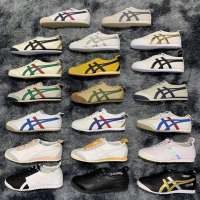
【Ready Stock】100%Original ΟnΙΤsuΚα66 TΙgerShoes Mens and womens retro fashion casual shoes comfortable breathable sneakers wear resistant skid EU:36-45
$48.23$105.00
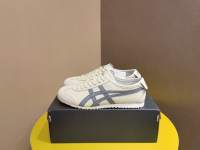
【Ready Stock】100%Original ΟnΙΤsuΚα66 TΙgerShoes Casual shoes sports shoes small white shoes a pedal canvas shoes mens and womens running shoes Eu36-45 Ready Stock
$45.76$105.00
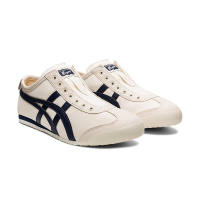
100% authentic JAPAN Onitsuka Tiger Mexico 66 Ready To Stock Original ˉ ShoeTigers Sneakers Super Soft Canvas Men and Women Casual Sports Running Tiger Running Shoes
$59.00
Buy on Lazada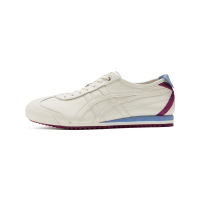
Onitsuka Tiger MEXICO 66 SD Skate Shoes Unisex Low Top White Blue Purple-1183A872-111
$597.29$599.29
100% original TΙgerShoesˉ Lace-up leather loafers for men and women Japanese casual sports shoes Unisex Shoes EU:36-45
$45.94$228.00
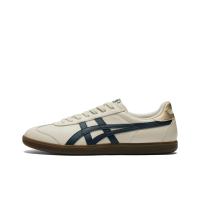
Onitsuka Tiger Tokuten Skateboard Shoes Unisex Low Top Beige/Dark Blue 1183C429-200
$933.00
Buy on Lazada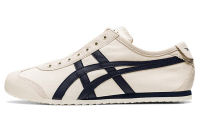
Onitsuka Tiger Mexico 66 Slip-On Midnight-1183A360-205
$459.11$469.11
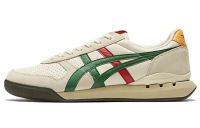
Onitsuka Tiger Ultimate 81 Ex Birch Kale-1183B510-203
$524.75$534.75
About Onitsuka Tiger
Onitsuka Tiger is a Japanese premium fashion and footwear label recognised for merging its athletic origins with modern lifestyle aesthetics. Established in 1949 as a sports shoe manufacturer, the brand has evolved from performance athletics into one of the world’s most identifiable lifestyle sneaker labels. It currently operates as a premium fashion brand under ASICS, combining Japanese craftsmanship, minimalist design principles, and vintage sportswear influences.1
Overview
| Category | Information |
|---|---|
| Founded | 1949 |
| Founder | Kihachiro Onitsuka |
| Founded in | Kobe |
| Headquarters | Kobe |
| Industry | Footwear, Fashion, Apparel, Accessories |
| Parent Company | ASICS Corporation |
| Products | Sneakers, Clothing, Bags, Accessories |
| Brand Style | Heritage, Retro, Luxury Casual, Japanese Minimalism |
| Global Presence | More than 30 countries |
History
Foundation (1949)
Onitsuka Tiger was founded in 1949 by Kihachiro Onitsuka in the aftermath of World War II. His vision centred on inspiring Japanese youth through sport, believing that physical activity could aid in rebuilding both individuals and society. The company initially focused on producing high-quality basketball shoes for local athletes. Despite limited materials and manufacturing resources in post-war Japan, the first products were developed following extensive experimentation.1
The Octopus Inspiration (1951)
A pivotal moment in the brand’s early history involved an octopus. While eating octopus salad, Onitsuka observed how the tentacles adhered firmly to his bowl. This observation inspired the design of a basketball shoe featuring a suction-cup outsole pattern, which dramatically improved grip on indoor courts. This innovation became one of the company’s earliest technological breakthroughs and helped establish its reputation for functional footwear design.
Innovation in Running Shoes
Throughout the 1950s and 1960s, Onitsuka Tiger introduced numerous performance innovations, including:
- Better ventilation systems
- Lightweight shoe construction
- Improved shock absorption
- Specialised track spikes
- Enhanced running comfort
One notable example was the MAGIC RUNNER, which featured ventilation holes to reduce heat and help prevent blisters during long-distance running.
Birth of the Tiger Stripes (1966)
The now-iconic Tiger Stripes first appeared in 1966 on the LIMBER UP training shoe. These crossing side stripes quickly became the visual identity of the brand and remain one of the most recognisable sneaker designs globally today.
Olympic Recognition
During the 1960s, many elite athletes competing in international competitions, including the Olympic Games, wore Onitsuka Tiger footwear. The company’s reputation for technical innovation helped establish Japan as a respected producer of world-class athletic shoes.1
Connection to Nike
A significant chapter in the company’s history involves the early origins of Nike. In the 1960s, Phil Knight visited Japan and negotiated with Onitsuka Tiger to distribute its shoes in the United States. His company, Blue Ribbon Sports, became the exclusive US distributor. This partnership played a major role in introducing Japanese running shoes to the American market. The collaboration eventually ended, after which Blue Ribbon Sports evolved into Nike, Inc.
Becoming ASICS (1977)
In 1977, Onitsuka Co. merged with two other Japanese sporting goods companies, GTO and JELENK, to form ASICS Corporation. The name ASICS is derived from the Latin phrase Anima Sana In Corpore Sano, meaning “A Sound Mind in a Sound Body”. Following the merger, the Onitsuka Tiger name largely disappeared as ASICS became the company’s primary sports brand.2
Revival (2002)
In 2002, ASICS revived Onitsuka Tiger as a premium lifestyle and fashion brand. Rather than competing directly in performance athletics, the renewed brand focused on retro sneakers, heritage designs, Japanese craftsmanship, modern fashion collaborations, and luxury casual apparel. This relaunch proved highly successful, particularly in Europe and Asia, where vintage-inspired sneakers were gaining popularity.1
Design Philosophy
Onitsuka Tiger emphasises simplicity, heritage, timeless design, Japanese craftsmanship, premium materials, functional comfort, and minimal branding. Instead of following fast-changing fashion trends, many of its designs reinterpret archival sports shoes for contemporary everyday wear.
Famous Sneaker Models
Mexico 66
The brand’s most iconic model, originally inspired by shoes developed for the 1968 Mexico Olympics. The Mexico 66 features a slim silhouette, leather upper, Tiger Stripes, low-profile sole, and vintage aesthetic. It remains the company’s signature sneaker.
California 78
Originally designed for jogging, this model features a wider heel, improved cushioning, better stability, and a retro running style.
Corsair
A classic running shoe known for its lightweight construction, comfortable midsole, and vintage running appearance.
GSM
Inspired by 1980s tennis shoes, the GSM is known for its clean design, minimalist style, and premium leather construction.
Serrano
Designed after sprint spikes, the Serrano is characterised by a lightweight feel, slim profile, and flexible outsole.
Nippon Made
The brand’s luxury collection, featuring handmade production in Japan, premium leather, traditional craftsmanship, and limited production runs.
Fashion Identity
Today, Onitsuka Tiger positions itself at the intersection of luxury fashion, streetwear, heritage sportswear, and Japanese contemporary design. Its collections often combine traditional tailoring, technical fabrics, and archival sneaker influences.
Popular Culture
Onitsuka Tiger gained widespread recognition in popular culture through appearances in films and celebrity fashion. Perhaps the most famous example is the yellow-and-black Mexico 66–style sneaker worn by Uma Thurman in Kill Bill: Volume 1, inspired by footwear associated with Bruce Lee. This exposure significantly boosted the brand’s international visibility.3
Collaborations
Onitsuka Tiger has collaborated with numerous designers, artists, and fashion houses, producing limited-edition collections that combine heritage footwear with modern fashion aesthetics.
Brand Values
The company emphasises Japanese craftsmanship, heritage preservation, quality over quantity, timeless design, comfort, and authenticity. It continues to balance luxury fashion, streetwear, heritage sportswear, and Japanese contemporary design in its offerings.
Global Presence
Onitsuka Tiger operates flagship stores across major fashion capitals, including Tokyo, Paris, London, Milan, Seoul, and Singapore. The brand has continued expanding internationally in recent years while maintaining its premium positioning.3
Legacy
Onitsuka Tiger is regarded as one of the pioneers of modern athletic footwear. Its influence extends beyond sports, shaping sneaker culture, fashion, and footwear design worldwide. From its post-war origins in Kobe to its current status as a globally recognised lifestyle brand, it has maintained a strong identity rooted in innovation, craftsmanship, and timeless design.1