Shop on Lazada
Ray-Ban products
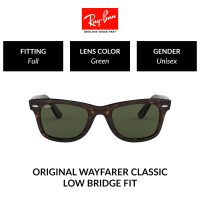
Ray-Ban WAYFARER RB2140F 902 Unisex Full Fitting Sunglasses Size 52mm
$264.00
Buy on Lazada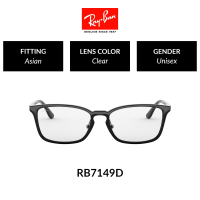
Ray-Ban PILLOW RX7149D 2000 Unisex Asian Fitting Eyeglasses Size 55mm
$133.20$148.00
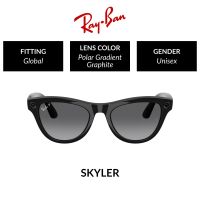
RAY-BAN META SKYLER (GEN 2) - RW4014 601/T3 | POLAR GRADIENT GRAPHITE | GLOBAL UNISEX | 52mm
$679.00
Buy on Lazada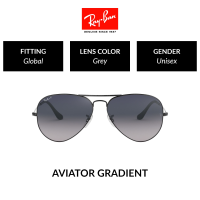
Ray-Ban AVIATOR LARGE METAL RB3025 004/78 Unisex Global Fitting POLARIZED Sunglasses Size 58mm
$364.00
Buy on Lazada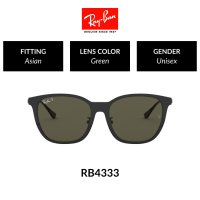
Ray-Ban RB4333D 601/9A Unisex Asian Design Fitting Sunglasses Size 55mm
$244.80$272.00
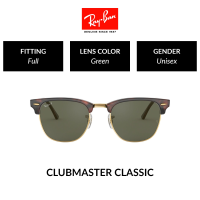
Ray-Ban CLUBMASTER RB3016F 990/58 Unisex Full Fitting POLARIZED Sunglasses Size 55mm
$344.00
Buy on Lazada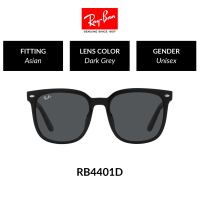
Ray-Ban RB4401D 601/87 DARK GREY Unisex Asian Design Sunglasses Size 57mm
$222.00
Buy on Lazada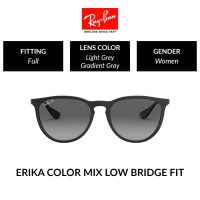
Ray-Ban ERIKA RB4171F 622/T3 Women Full Fitting POLARIZED Sunglasses Size 54mm
$282.00
Buy on LazadaAbout Ray-Ban
Ray-Ban is one of the world’s most recognised eyewear brands, known for its sunglasses, prescription glasses and smart glasses. Originally developed in the United States for military pilots, the brand has evolved into a global fashion icon that combines functional design with timeless style. Ray-Ban is best known for its signature Aviator, Wayfarer and Clubmaster collections, which have remained popular for decades. Today, the brand is owned by EssilorLuxottica, the world’s largest eyewear company.1
Overview
| Attribute | Details |
|---|---|
| Brand Name | Ray-Ban |
| Founded | 1936 (commercial launch in 1937) |
| Original Founder | Bausch & Lomb |
| Current Owner | EssilorLuxottica |
| Headquarters | Milan, Italy |
| Industry | Eyewear |
| Products | Sunglasses, Eyeglasses, Prescription Frames, Smart Glasses |
| Markets | Worldwide |
| Official Website | Ray-Ban |
History
Origins (1920s–1930s)
Ray-Ban was created after the U.S. Army Air Corps requested sunglasses capable of protecting pilots from intense sunlight whilst flying at high altitudes. Existing goggles reduced visibility and caused discomfort during long flights.
In response, Bausch & Lomb developed green anti-glare mineral glass lenses that blocked ultraviolet and infrared rays whilst maintaining clear vision.
The first commercial model, the Ray-Ban Aviator, was officially introduced in 1937. The name “Ray-Ban” derives from the concept of “banning the sun’s rays”.2
Expansion into Fashion (1950s)
Although originally designed for military use, Ray-Ban entered mainstream fashion with the release of the Wayfarer in 1952.
Unlike the metal-framed Aviator, the Wayfarer featured a bold plastic frame that proved revolutionary in eyewear design.
The model quickly gained popularity among actors, musicians and public figures, transforming Ray-Ban from a military supplier into a fashion brand.3
Pop Culture Influence (1960s–1990s)
Ray-Ban became deeply associated with popular culture through appearances in Hollywood films and celebrity fashion.
Notable appearances include:
- Top Gun (Aviator)
- The Blues Brothers (Wayfarer)
- Risky Business
- Men in Black
- Breakfast at Tiffany’s
These appearances significantly boosted sales and established Ray-Ban as a symbol of confidence, individuality and effortless style.4
Acquisition by Luxottica
In 1999, Luxottica Group purchased Ray-Ban from Bausch & Lomb for approximately US$640 million.
Following the acquisition, Luxottica modernised manufacturing, expanded global distribution and repositioned Ray-Ban as a premium lifestyle brand.
In 2018, Luxottica merged with Essilor to form EssilorLuxottica, which continues to own Ray-Ban today.5
Product Categories
Sunglasses
Sunglasses remain Ray-Ban’s flagship products.
Popular lens technologies include:
- Polarised lenses
- Gradient lenses
- Photochromic lenses
- Chromance/Polarized+ colour-enhancing lenses
- Classic G-15 green lenses
Eyeglasses
Ray-Ban also produces prescription eyewear featuring many of its classic frame designs.
These are available in:
- Metal frames
- Acetate frames
- Lightweight materials
- Modern optical collections
Smart Glasses
Ray-Ban entered wearable technology through its collaboration with Meta.
The Ray-Ban Meta smart glasses include:
- Built-in cameras
- Speakers
- Microphones
- Voice assistant integration
- Music playback
- Photo and video capture
- Livestream capabilities
This partnership combines Ray-Ban’s classic designs with modern AI-powered features.6
Iconic Collections
Aviator
Introduced: 1937
Characteristics:
- Thin metal frame
- Large teardrop lenses
- Originally designed for pilots
One of the best-selling sunglasses designs in history.
Wayfarer
Introduced: 1952
Characteristics:
- Thick acetate frame
- Angular design
- Universal face compatibility
Considered one of the most influential eyewear designs ever created.
Clubmaster
Introduced: 1986
Characteristics:
- Browline frame
- Vintage aesthetic
- Retro-inspired design
Popular among professionals and fashion enthusiasts alike.
Design Philosophy
Ray-Ban follows several core design principles:
- Timeless aesthetics
- Functional performance
- High-quality materials
- Minimal branding
- Durability
- Versatility across generations
Rather than chasing short-lived trends, Ray-Ban continuously updates classic silhouettes whilst preserving their recognisable identity.7
Brand Identity
Ray-Ban positions itself around themes such as:
- Authenticity
- Freedom
- Individual expression
- Confidence
- Innovation
- Cultural relevance
Its slogan and marketing often emphasise originality and self-expression.
Manufacturing
Ray-Ban products are manufactured primarily by EssilorLuxottica, with production facilities in:
- Italy
- China
- Other authorised manufacturing locations
Quality control standards remain centralised under EssilorLuxottica.
Lens Technologies
Ray-Ban offers several lens options:
- G-15 Lens – Original green military lens providing natural colour balance.
- Polarized Lens – Reduces glare from reflective surfaces.
- Gradient Lens – Darker on top, lighter at the bottom.
- Mirror Lens – Reflective coating for bright environments.
- Photochromic Lens – Adjusts tint according to light conditions.
- Chromance / Polarized+ – Enhances colour contrast and clarity.8
Cultural Impact
Ray-Ban has become more than an eyewear manufacturer; it is a cultural icon.
The brand has been worn by:
- Military pilots
- Hollywood actors
- Musicians
- Athletes
- Fashion designers
- Political figures
- Everyday consumers
Its products have appeared in hundreds of films, television series, music videos and advertising campaigns.
Market Position
Ray-Ban competes in the premium eyewear market against brands such as:
- Oakley
- Persol
- Maui Jim
- Prada Eyewear
- Gucci Eyewear
- Tom Ford Eyewear
Its strengths include:
- Strong heritage
- Timeless designs
- Global recognition
- High resale value
- Wide product range
- Broad retail availability
Legacy
Nearly 90 years after its launch, Ray-Ban remains one of the world’s most influential eyewear brands. From protecting military pilots to becoming a staple of fashion and popular culture—and now expanding into smart eyewear—the brand has consistently adapted whilst preserving its iconic identity. Its enduring appeal lies in a blend of practical innovation, recognisable design and cultural relevance that continues to attract new generations of wearers.9
References
- Ray-Ban
- Ray-Ban
- The History of Ray-Ban Glasses | Ray-Ban®
- Meta extends its Ray-Ban smart glasses deal beyond 2030
- Ray-Ban Meta glasses take off but face privacy and competition test
- About Us – Ray Ban
- Doubt on RB3686
- Ray-Ban: What You Need to Know About The Brand | Clearly
- The History of Ray-Ban Glasses | Ray-Ban®