Shop on Lazada
HOKA products
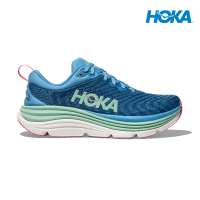
HOKA Women Gaviota 5 Wide - Alpine Blue / Jadeite
$160.90$269.00
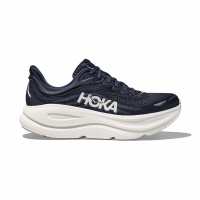
HOKA Men Bondi 9 Wide - Varsity Navy / White
$199.90
Buy on Lazada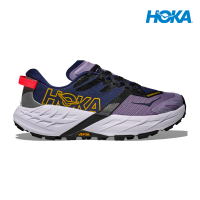
HOKA Women Speedgoat 7 Wide - Berry Jam / Starlight Glow
$259.00
Buy on Lazada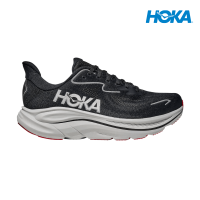
HOKA Men Clifton 10 Wide - Black / Silver
$159.90$229.00
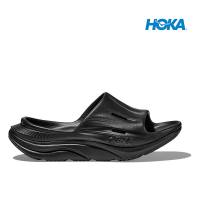
Hoka Unisex Ora Recovery Slide 3 - Black / Black
$99.00
Buy on Lazada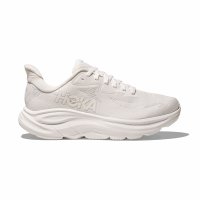
HOKA Women Clifton 10 Wide - White / White
$169.90
Buy on Lazada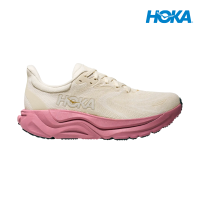
HOKA Women Arahi 8 Wide - Alabaster / Lingonberry
$182.90$229.00
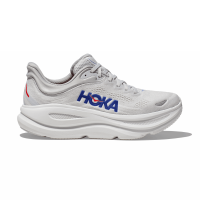
HOKA Men Bondi 9 Wide - Cosmic Grey / Ultramarine
$215.20
Buy on LazadaAbout HOKA
HOKA is a global performance footwear brand recognised for its highly cushioned running shoes, distinctive thick midsoles, and stable ride. Founded in 2009 in Annecy, France, the label began as a niche trail-running concept before expanding into road running, racing, hiking, fitness, walking, and lifestyle categories. It is now one of the principal brands under Deckers Brands, alongside UGG and Teva 1.
The brand’s defining philosophy centres on delivering high cushioning without excessive weight. Its unconventional designs challenged the minimalist running trend of the late 2000s and helped popularise the maximalist approach to performance footwear.
Brand overview
| Field | Information |
|---|---|
| Brand name | HOKA |
| Former name | Hoka One One |
| Founded | 2009 |
| Place of origin | Annecy, France |
| Founders | Nicolas Mermoud and Jean-Luc Diard |
| Industry | Athletic footwear, sportswear |
| Specialisation | Running, trail running, outdoor and performance footwear |
| Parent company | Deckers Brands |
| Current headquarters | Goleta, California, United States |
| Global market | Worldwide |
| Core identity | Cushioning, stability, lightweight performance |
| Current slogan/platform | Fly Human Fly |
| Major categories | Road running, trail running, hiking, fitness, lifestyle, apparel and accessories |
Deckers currently positions HOKA as a premium performance brand that offers enhanced cushioning and inherent stability whilst maintaining a relatively low weight 2.
Origins
HOKA was established in 2009 by Nicolas Mermoud and Jean-Luc Diard, both of whom had backgrounds in running and the outdoor footwear industry. The brand emerged from the French Alps, specifically within the trail-running culture of Annecy and Chamonix 3.
The founders sought to address a specific challenge: enabling runners to descend mountains faster whilst reducing the physical impact associated with downhill running. Rather than developing a conventional lightweight racing shoe, they created a model featuring a very large midsole, substantial cushioning, and geometry designed to improve transition efficiency through the foot. The original objective was to improve endurance race times by facilitating faster descents.
The resulting product differed markedly from contemporary running shoes. Instead of thin, low-profile footwear, HOKA introduced unusually thick midsoles, a broad platform, curved sole geometry, and relatively low weight despite the volume of material used. This design produced a distinctive rocking sensation during the stride. Although initially perceived as unusual, this unconventional aesthetic became foundational to the brand’s identity.
Naming history
The brand was originally named Hoka One One. Derived from the Māori language, the name is commonly interpreted by the company as conveying the idea of flying over the earth, reflecting the founders’ ambition to help runners move quickly across mountainous terrain 4. In 2021, the company simplified its branding by transitioning from Hoka One One to HOKA 5.
Maximalist design philosophy
HOKA emerged at the opposite end of the spectrum from the minimalist running movement prevalent in the late 2000s and early 2010s. Whilst minimalism emphasised ground feel and reduced cushioning, HOKA pursued a philosophy combining maximum cushioning, low weight, efficient geometry, and stability. This approach became known as maximalist footwear.
Crucially, maximalism did not merely imply thicker soles. The design strategy integrated a large midsole with lightweight construction and engineered geometry to deliver enhanced cushioning and inherent stability without adding unnecessary mass 6. This combination established a significant competitive advantage for the brand.
Adoption by ultrarunners
HOKA initially gained traction among ultramarathon and trail runners. Long-distance mountain races place considerable stress on the body, making the brand’s cushioning platform and stable geometry particularly appealing to athletes requiring protection over extended distances. The company states its products were originally designed for ultra-runners before reaching a broader athletic audience.
This specialised credibility preceded mainstream success. HOKA established its reputation within a niche performance community first, which later served as the foundation for wider expansion.
Acquisition by Deckers Brands
Rapid growth necessitated greater resources and distribution capacity. Deckers Brands, the American company behind UGG and Teva, acquired a non-controlling interest in Hoka in May 2012 and purchased the remaining ownership stake in September 2012 9.
This acquisition marked a turning point, providing the infrastructure required to scale from a specialist running label to a global performance business. Deckers’ strategy involved developing niche brands with distinctive identities into international consumer franchises, with HOKA becoming one of its most successful examples.
Product expansion
Although rooted in mountain and ultramarathon running, HOKA progressively expanded into road running, daily training, marathon racing, track, hiking, fitness, walking, and lifestyle footwear. The core design principles of cushioning, stability, and efficient movement proved applicable beyond technical trails, allowing the technology to serve a wider demographic. Deckers now describes the portfolio as encompassing running, trail, hiking, fitness, and lifestyle footwear, alongside apparel and accessories.
Signature design elements
HOKA is primarily recognised by its oversized midsole, though several interconnected concepts define its engineering.
Thick cushioning
The substantial foam volume beneath the foot remains the feature most associated with the brand.
Lightweight construction
Despite the visual bulk, HOKA has historically prioritised keeping shoes light relative to their size.
Stable platform
A broad base and specific geometry are intended to provide stability during motion.
Rocker geometry and Meta-Rocker
Many models incorporate a curved sole profile known as Meta-Rocker. This geometry guides the foot through the gait cycle to encourage smooth transitions and forward momentum, rather than simply placing more foam underfoot.
Visual identity
The appearance of HOKA shoes is integral to their engineering. Traditional running shoes often favoured sleek, streamlined aesthetics, whereas HOKA embraced an oversized, tall, and wide silhouette. Initially controversial, this distinct look eventually became a brand asset, turning functional differentiation into visual recognition.
Key product families
The current lineup extends well beyond original ultramarathon models.
- Clifton: A versatile, cushioned daily road trainer.
- Bondi: Represents the brand’s maximum cushioning philosophy for road running.
- Speedgoat: A signature trail-running model associated with technical terrain. HOKA highlighted the Speedgoat 7 in a 2026 product announcement, reaffirming its importance to the trail category 13.
- Mach: Emphasises a lighter, faster feel whilst retaining cushioning.
- Rocket / Racing models: Performance-oriented shoes for competition and fast road running.
Athlete partnerships
As the brand grew, relationships with elite athletes became increasingly central. Credibility established through trail and ultramarathon communities expanded into elite road racing, marathons, track and field, and major international competitions. These partnerships reinforce the message that HOKA is a performance brand, distinguishing it from purely comfort-focused footwear despite its popularity among everyday consumers.
Lifestyle crossover
HOKA has successfully moved beyond serious runners to appeal to walkers, travellers, healthcare workers, gym-goers, and fashion-conscious consumers. This shift transformed the company from a specialist running manufacturer into a broader performance and lifestyle brand. Deckers now explicitly describes HOKA as appealing to “world champions, tastemakers, and everyday athletes” 14.
This expansion coincided with broader trends favouring chunky sneakers, technical fashion, gorpcore, and athleisure. The brand’s functional aesthetic became fashionable, facilitating entry into mainstream retail and culture.
Brand philosophy
HOKA’s identity revolves around innovation, movement, comfort, performance, and optimism. Current brand positioning uses the platform “Fly Human Fly” to frame the brand as supporting human movement broadly, rather than solely competitive running 7.
Corporate structure
HOKA operates as a major brand within Deckers Brands, a publicly traded company headquartered in Goleta, California 8. This structure combines French origins with American corporate ownership and global reach. While product philosophy stems from the French Alps, commercial expansion has been driven by the American market and Deckers’ international infrastructure.
Financial performance
HOKA has become one of Deckers’ two dominant brands. For fiscal year 2026 ended 31 March 2026, HOKA generated approximately US$2.587 billion in net sales, representing 15.9% growth from US$2.233 billion the previous year 10. In comparison, Deckers reported US$2.739 billion for UGG and US$146.2 million for other brands in the same period 10.
Sales are split between wholesale channels, including specialty running stores and sporting goods retailers, and direct-to-consumer channels comprising owned retail and e-commerce.
Global presence
From its Alpine origins, HOKA has evolved into a genuinely international brand sold across North America, Europe, Asia-Pacific, Latin America, and other markets. Deckers has reported that international business is a key growth driver, with HOKA continuing to expand its global footprint in fiscal 2026.
Manufacturing
Like other Deckers brands, HOKA does not primarily manufacture footwear in company-owned factories. Production is handled by independent third-party contractors 11. This industry-standard model allows the brand to focus on design, research and development, marketing, athlete relations, distribution, and brand management.
Marketing strategy
Marketing has historically leveraged the contrast between HOKA and conventional running shoes, encouraging consumers to rethink traditional design norms. Visual identity relies on large midsoles, bold silhouettes, strong colourways, and technical construction. The “Fly Human Fly” positioning extends this narrative beyond running to encompass broader human movement 15.
Competitive landscape
Competitors vary by category:
- Running: ASICS, Brooks, New Balance, Saucony, On, Nike, Adidas.
- Trail and Outdoor: Salomon, Altra.
HOKA’s competitive advantage lies in combining cushioning, lightweight construction, distinctive geometry, and strong brand recognition.
Industry influence
HOKA helped normalise the concept that serious performance running shoes could feature substantial cushioning without excessive weight. This influenced the wider industry, making highly cushioned “super trainers” and racing shoes commonplace across major brands.
Criticism and debate
Discussions surrounding the brand typically involve:
- Cushioning vs ground feel: Preferences vary between plush cushioning and direct road feedback.
- Aesthetics: Thick midsoles can appear bulky compared to traditional shoes.
- Durability: Longevity varies significantly by model, terrain, and mileage.
- Price: Positioned in the premium segment, prices exceed basic athletic footwear.
- Maximalism: High cushioning is a matter of personal preference and not universally superior.
Cultural significance
HOKA demonstrates how a specialised technical product can achieve mainstream cultural relevance. The progression from French Alps ultrarunning to specialty stores, mainstream running, and finally fashion/lifestyle illustrates expansion through authenticity. The technical appearance derived from function eventually became fashionable in its own right.
Timeline
- 2009: Founded in France by Nicolas Mermoud and Jean-Luc Diard 12.
- 2009–2010: Development of cushioned trail footwear; attention from endurance athletes.
- 2012: Deckers acquires non-controlling interest, followed by full ownership 12.
- 2013: Full integration into Deckers portfolio.
- 2010s: Expansion into mainstream road running; launch of Clifton and other key families.
- Late 2010s: Growing visibility among everyday runners and lifestyle consumers.
- 2021: Transition from Hoka One One to HOKA.
- 2020s: Becomes one of Deckers’ largest brands; substantial international expansion.
- 2026: Records approximately US$2.587 billion in fiscal-year net sales, up 15.9% year-over-year 13.
Differentiators
HOKA challenges conventional design by combining substantial cushioning and stability with lightweight, performance-oriented construction. Key differentiators include:
- Maximal cushioning: Large midsoles as a defining feature.
- Lightweight philosophy: Avoiding heaviness despite volume.
- Rocker-based geometry: Facilitating smooth stride transitions.
- Stability: Platform design for a stable ride.
- Trail heritage: Roots in mountain and ultramarathon running.
- Visual identity: Instantly recognisable oversized midsole.
- Performance-to-lifestyle crossover: Successful transition from specialist athletics to everyday use.
Current status
As of 2026, HOKA is a major global performance brand and core Deckers business. Described as a premium, year-round performance footwear brand, it serves elite athletes, everyday participants, and lifestyle consumers across running, trail, hiking, fitness, and apparel categories 14. Growth has been sustained by maintaining technical credibility whilst achieving mainstream appeal. Ultimately, HOKA’s contribution to footwear lies in making extreme cushioning, unusual geometry, and visually oversized running shoes commercially desirable without abandoning serious athletic performance 15.
References
- La historia detrás de las zapatillas HOKA. – HOKA® Oficial Chile
- HOKA ONE ONE® Brings Revolutionary Brand Experience Beyond Running :: Deckers Outdoor Corporation (DECK)
- About Us | HOKA
- Hoka (brand)
- SEC
- SEC
- Where is the Hoka brand from, and what is its origin?
- ¿De dónde es la marca Hoka y qué origen tiene?
- Who Owns Hoka? Deckers Brands and the Acquisition – LegalClarity
- deck-20260331
- Hoka: The Maximalist Bet That Changed Running
- How I Built This with Guy Raz – HOKA: Jean-Luc Diard and Nicolas Mermoud. The “Clown Shoe” That Became a $2B Bonanza Transcript and Discussion
- Everything About HOKA: Technologies, Naming & Abbreviations
- Amy Winters và Hành Trình Cùng HOKA
- October 31, 2025 – 10-Q: Quarterly report [Sections 13 or 15(d)] | Deckers Outdoor Corporation (DECK)