Shop on Lazada
Van Heusen products
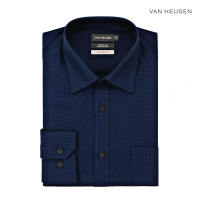
VAN HEUSEN Wrinkle Free Business Long Sleeve Shirt
$79.00
Buy on Lazada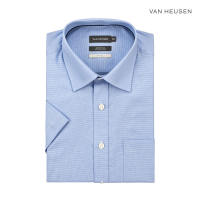
VAN HEUSEN Wrinkle Free Business Short Sleeve Shirt
$39.00$69.00
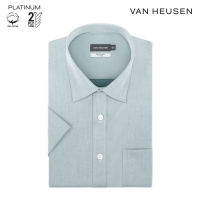
Van Heusen Platinum 100% Egytian Cotton Short Sleeve Business Shirt
$59.00$119.00
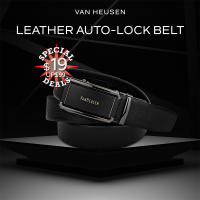
Van Heusen Auto-Lock Grained Leather Belt
$19.00$89.00
About Van Heusen
Brand Overview
Van Heusen is a heritage American apparel brand recognised globally for shirts, formalwear and professional clothing. Although its origins lie in the United States, the brand has established particularly strong identities in markets such as India and Australia. Today, Van Heusen is associated with a blend of classic tailoring, contemporary fashion, comfort and professional style 1.
Quick Facts
| Category | Details |
|---|---|
| Brand | Van Heusen |
| Origin | United States |
| Roots | Pottsville, Pennsylvania |
| Heritage Begins | 1881 |
| Collar Patent | 1919 |
| Corporate Connection | Phillips-Van Heusen (PVH) |
| Global Trademark Ownership | PVH acquired European and Asian rights in 2000 |
| Best Known For | Dress shirts, businesswear, formalwear |
| Modern Categories | Formal, casual, occasion wear, activewear, innerwear and accessories |
| India Entry | 1990 |
| India Operator | Aditya Birla Group’s lifestyle-business organisation |
| Positioning in India | Premium lifestyle and professional fashion |
Origins and Early History
The history of Van Heusen predates the adoption of the brand name itself. In 1881, Moses Phillips and his son Isaac began selling shirts in Pottsville, Pennsylvania, initially serving local coal miners. These garments were hand-sewn by Moses’ wife, Endel, and their daughters before the family business subsequently expanded to New York City.
This origin story is significant because the heritage of Van Heusen is fundamentally rooted in shirtmaking rather than emerging as a general fashion house.
The Collar Innovation
A pivotal development in the brand’s history came from John Manning Van Heusen, a Dutch immigrant. In 1919, he obtained a patent for a process that fused fabric along a curve, enabling the creation of a soft-folding collar. This innovation maintained the polished appearance of the stiff collars popular at the time while offering considerably greater comfort.
Isaac Phillips acquired the US patent for this invention, creating the business relationship that eventually became Phillips-Van Heusen. This innovation established the core identity that the brand continues to promote: a combination of professional appearance, comfort and practical innovation.
Corporate Evolution
The Phillips family business merged with D. Jones & Son in 1907 to form the Phillips-Jones Corporation. Following the commercial success of the Van Heusen collar and shirt, the company increasingly built its identity around the Van Heusen name. In 1957, the entity officially changed its name to Phillips-Van Heusen Corporation (PVH), evolving from a shirt manufacturer into a major American apparel corporation.
Over its history, PVH became associated with numerous major fashion brands, most notably Calvin Klein and Tommy Hilfiger, although Van Heusen remained one of its foundational heritage brands.
Market Position and Expansion
Historically, the strongest territory for Van Heusen was men’s dress shirts. During the 20th century, the brand became synonymous with the American professional wardrobe, eventually becoming the number-one dress-shirt brand in US department stores. Its appeal lay in its polished appearance, reliable construction, comfortable collars, conservative styling and accessibility compared to luxury tailoring. This positioned Van Heusen between mass-market basics and luxury menswear.
Global Rights
Van Heusen gradually evolved from an American shirt label into an international brand. A major milestone occurred in 2000 when Phillips-Van Heusen acquired the rights to the Van Heusen trademark in Europe and Asia, securing worldwide ownership of the brand 2. This acquisition is notable because the brand has not developed identically in every country; regional operators have adapted the offering to local consumers while maintaining the broader Van Heusen identity.
Van Heusen in India
India represents one of the most significant markets in the modern narrative of Van Heusen. The brand entered the Indian market in 1990 and developed under the stewardship of the Aditya Birla Group’s fashion business. In this market, Van Heusen is positioned as a leading premium lifestyle brand for professionals 3.
Unlike a simple importation of an American heritage label, the Indian business built Van Heusen into a broader lifestyle proposition strongly associated with corporate employees, officewear and business fashion. This aligned with the rapidly expanding population of urban professionals in India from the 1990s onwards. Rather than concentrating solely on traditional tailoring, the brand presented professional clothing as part of a modern corporate lifestyle.
Operational Structure
It is important to distinguish the brand’s global heritage from its local operations. While Van Heusen is historically an American brand belonging to the PVH heritage, its Indian business is operated by the Aditya Birla Group under specific rights for the Indian market 4. Historically part of Madura Fashion & Lifestyle, the brand now sits within Aditya Birla Lifestyle Brands Limited (ABLBL). As of 2026, ABLBL’s portfolio includes Van Heusen alongside other major labels such as Louis Philippe, Allen Solly and Peter England.
Product Diversification in India
The Indian proposition has expanded significantly beyond traditional workwear into categories including formal shirts, trousers, blazers, suits, casual shirts, T-shirts, jeans, women’s workwear, accessories, innerwear, athleisure, activewear and occasion wear. Aditya Birla notes that the brand has successfully moved beyond its traditional workwear position into casual, ceremonial, partywear and activewear segments 4.
Brand Positioning and Personality
Global vs Regional Identity
Globally, Van Heusen emphasises heritage, comfort, innovation and a balance of classic and modern style 5. In India, however, the positioning is more explicitly focused on a “premium professional lifestyle”. The brand caters to modern professionals requiring clothing for the office, meetings, business travel, formal events, social occasions and active lifestyles.
Brand Personality
If personified, the brand’s personality would be described as sophisticated, professional, confident, practical, contemporary and refined. It is generally not positioned as avant-garde or experimental fashion. Instead, its design philosophy focuses on looking sharp without excessive effort, making it appropriate for consumers seeking clothing that transcends fleeting fashion trends.
Distinction from Luxury Fashion
Van Heusen is distinct from luxury fashion houses such as Brioni, Zegna or Hugo Boss. Its historical strength lies in premium accessible apparel, offering better styling and positioning than basic mass-market clothing without commanding luxury-level prices.
Product Categories
Men’s Formalwear
This category remains the heart of the brand, encompassing dress shirts, formal trousers, blazers, suits, waistcoats and formal accessories. The brand’s heritage in collars and shirts gives this segment particular importance.
Men’s Casualwear
The brand has expanded into everyday fashion, including casual shirts, polo shirts, T-shirts, jeans, chinos, casual trousers and jackets.
Women’s Wear
Van Heusen has developed a significant women’s proposition, particularly in professional clothing. This includes formal shirts, blouses, trousers, dresses, blazers, workwear and casual clothing.
Innerwear
In India, Van Heusen Innerwear represents a major extension beyond traditional outerwear. ABLBL currently identifies innerwear under the Van Heusen name as one of its key businesses 6.
Activewear and Athleisure
The brand has moved into activewear, sports-inspired clothing, loungewear and athleisure. This diversification signifies that Van Heusen is no longer exclusively focused on office attire.
Target Customer
Traditionally, the archetypal Van Heusen customer was a professional man seeking a polished appearance without luxury pricing. The modern customer base is considerably broader, encompassing young professionals, corporate employees, business executives, fashion-conscious consumers, female professionals and those interested in premium casualwear or athleisure. Effectively, the brand has transitioned from “business clothing” to “professional lifestyle clothing”.
Competitive Landscape
Depending on the country and product category, Van Heusen competes with brands such as Arrow, Louis Philippe, Allen Solly, Peter England, Hugo Boss, Calvin Klein and Tommy Hilfiger. In India specifically, Van Heusen operates within a competitive ecosystem of premium domestic and international lifestyle brands.
Key Differentiators
Several factors distinguish Van Heusen in the apparel market:
- Longevity: Few contemporary apparel brands can trace their roots to 1881 7.
- Shirtmaking Heritage: Unlike brands that began as broad fashion houses, Van Heusen’s identity originated specifically in shirts and collars.
- Product Innovation: The 1919 soft-folding collar was a patented construction innovation that helped define the brand, rather than merely a marketing concept 8.
- Professional Association: The brand maintains a deep association with business and professional clothing.
- Diversification: The successful expansion from shirts to formalwear, workwear, casualwear, lifestyle, innerwear and activewear has kept the brand relevant.
Sustainability
Modern Van Heusen places emphasis on sustainability and responsible production. The brand states that it works with organisations and initiatives including the Sustainable Apparel Coalition, Forest Stewardship Council, SmartWay Transport Partnership and Textile Exchange, and utilises the Higg Index as part of its sustainability efforts 9. This reflects a broader industry shift where heritage brands are increasingly expected to address materials, supply chains, transportation and environmental impact.
Historical Timeline
| Year | Event |
|---|---|
| 1881 | Moses and Endel Phillips begin the shirt business in Pennsylvania |
| 1890 | Phillips family business moves to New York |
| 1907 | Business becomes Phillips-Jones Corporation |
| 1919 | John Manning Van Heusen patents his soft-folding collar process |
| 1920 | Phillips-Jones begins producing the patented Van Heusen collar |
| 1921 | Van Heusen brand identity becomes established |
| 1939–45 | Company produces shirts for U.S. and Allied troops |
| 1957 | Phillips-Jones becomes Phillips-Van Heusen Corporation |
| 1980s–90s | Van Heusen strengthens its position as a major dress-shirt brand |
| 1990 | Van Heusen enters India |
| 2000 | PVH acquires Van Heusen trademark rights in Europe and Asia |
| 2000s onward | Brand expands internationally and into broader apparel |
| 2010s | Greater emphasis on innovation, comfort and lifestyle categories |
| 2020s | Expansion into activewear, athleisure and broader lifestyle categories |
| 2026 | Van Heusen remains part of ABLBL’s major Indian lifestyle-brand portfolio |
Current Status
As of 2026, Van Heusen is best understood as a heritage apparel brand that has evolved into a modern lifestyle brand. While its original proposition focused on making a better, more comfortable dress shirt, its modern offering provides polished, comfortable clothing for professional and contemporary lifestyles. In India especially, this transformation encompasses workwear, casualwear, ceremonial wear, partywear and activewear 10. Despite this diversification, the brand’s heritage remains firmly tied to its original shirt business and the 1919 collar innovation.
References
- About Us – Van Heusen
- About Van Heusen Australia | Van Heusen Online
- Van Heusen India | Aditya Birla Fashion and Retail Limited
- Is Van Heusen an Indian Brand? Origin & Ownership – Brands Scroll
- Is Van Heusen an Indian Brand? – India Inputs
- Brand Profile: Van Heusen – Images Business of Fashion
- PVH Corp. Completes Sale of Heritage Brands to Authentic Brands Group
- PVH Corp. to Exit Heritage Brands Business with Sale of IZOD, Van Heusen, ARROW and Geoffrey Beene Brands to Authentic Brands Group
- PVH Corp. Updates 2021 Full Year Outlook in Connection With Announcement of the Sale of Its IZOD, Van Heusen, ARROW and Geoffrey Beene Brands to Authentic Brands Group and the Exit From Its Heritage Brands Business
- sec.gov