Shop on Lazada
IKEA products
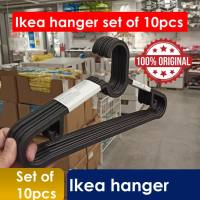
ikea hanger set of 10pcs original Plastic Hangers Heavy Duty Dry Wet Clothes Hangers
$6.99
Buy on Lazada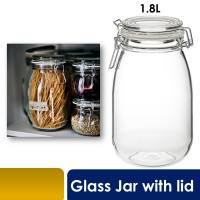
ikea Airtight Glass jar with lid Glass Storage Containers with Lids Glass Canisters Striped Clip Fastening Jar for Kitchen Canning Tea Pasta Sugar Beans Cookie Jam Oat
$11.90
Buy on Lazada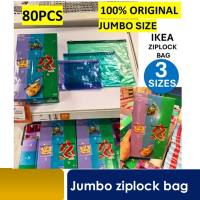
iKea zip bag resealable bag food Storage Bag / Transparent Storage Bag Zip-able for Locking and Sealing / Zip to Lock or Seal Storage Bag
$28.90$49.90
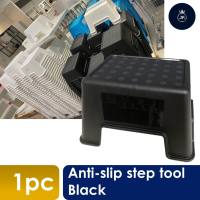
ikea Step Chair Plastic Stool anti-slip step stool
$20.90$29.90
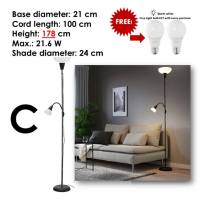
ikea Floor Lamp Living Room Bedroom Study European Antique Bronze Glass Plate Tea Table Crystal American Retro Vertical Table Lamp
$51.90$79.90
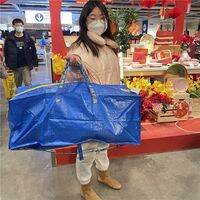
Large Capacity Durable Moving Bag
$5.66$8.22
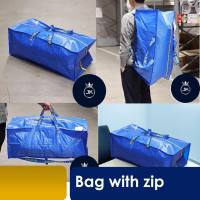
ikea bag with zip Strong Handles & Zippers Storage Totes For Space Saving Fold Flat Alternative to Moving Box
$11.90
Buy on Lazada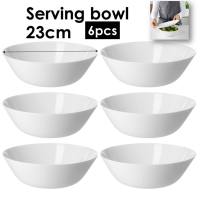
ikea basics white Dinnerware Set Plates Bowls Service for 6 made of tempered glassdishwasher- and microwave-safe.
$24.90$49.90
About IKEA
Overview
IKEA is a Swedish multinational corporation that designs and retails ready-to-assemble furniture, kitchen appliances, home accessories, and related services. Recognised globally as one of the largest and most influential home furnishing retailers, the company is noted for combining modern Scandinavian design with accessible pricing. Its stated vision is “to create a better everyday life for the many people”.1
Corporate Profile
- Company Name: IKEA
- Founded: 28 July 1943
- Founder: Ingvar Kamprad
- Headquarters: Delft (Inter IKEA Group); operational management in Leiden
- Origin: Älmhult, Sweden
- Industry: Furniture and Home Furnishings
- Products: Furniture, home décor, lighting, kitchenware, textiles, storage solutions, office furniture, mattresses, and home accessories
- Stores: More than 440 stores across over 50 countries1
Etymology
The name IKEA is an acronym derived from the founder’s initials and his origins:
- I – Ingvar
- K – Kamprad
- E – Elmtaryd (the family farm where Ingvar Kamprad grew up)
- A – Agunnaryd (the nearby village in Småland, Sweden)
This nomenclature reflects the company’s Swedish heritage.2
History
IKEA was established in 1943 by 17-year-old Ingvar Kamprad as a mail-order business selling small household items such as pens, wallets, and picture frames.
Key Milestones
- 1943: IKEA founded.
- 1948: Furniture introduced to the product range.
- 1951: First IKEA furniture catalogue published.
- 1956: Introduction of flat-pack furniture, facilitating easier transport and reducing costs.
- 1958: First IKEA store opened in Älmhult, Sweden.
- 1960s–1980s: Expansion across Europe, followed by entry into North America and Asia.
- 2000s–Present: Growth into one of the world’s largest furniture retailers, with increased focus on sustainability, digital commerce, and home services.1
Business Philosophy
IKEA operates under a concept termed Democratic Design, which balances five core principles:
- Form
- Function
- Quality
- Sustainability
- Low price
The objective is to make attractive and functional home furnishings accessible to the widest possible audience.2
Business Model
The company’s commercial success relies on several integrated strategies:
- Ready-to-assemble (flat-pack) furniture
- Self-service warehouse retailing
- Large-format showroom layouts
- Scandinavian-inspired design aesthetics
- Global sourcing and efficient logistics
- Cost-conscious production methods
- Affordable pricing structures
Flat-pack packaging significantly reduces shipping and storage expenses whilst enabling customers to assemble products independently.
Product Categories
IKEA offers thousands of products across multiple categories, including:
- Sofas
- Beds
- Tables
- Chairs
- Cabinets
- Wardrobes
- Kitchen systems
- Bathroom furniture
- Home office furniture
- Children’s furniture
- Lighting
- Rugs
- Curtains
- Cookware
- Storage solutions
- Decorative accessories
- Smart home products
Design Style
IKEA is characterised by distinct design attributes:
- Scandinavian minimalism
- Functional design
- Neutral colour palettes
- Space-saving solutions
- Modern aesthetics
- Practicality for everyday living
- Modular furniture systems
Many products feature clean lines, natural materials, and versatile designs suitable for various residential sizes, particularly relevant for compact urban living environments.
Sustainability
Sustainability is central to IKEA’s corporate strategy. Key focus areas include:
- Use of renewable and recycled materials
- Energy-efficient product development
- Sustainable forestry practices
- Circular product design
- Furniture repair and recycling initiatives
- Reduction of carbon emissions
- Responsible sourcing
The long-term ambition is to minimise environmental impact whilst maintaining affordability.3
Global Presence
IKEA maintains operations across:
- Europe
- North America
- South America
- Asia
- Australia
- Middle East
The company serves hundreds of millions of customers annually through physical retail locations and online platforms.
Store Experience
A typical IKEA store comprises several distinct zones:
- Fully furnished room displays
- Product showrooms
- Self-service warehouse area
- Children’s play area (available at many locations)
- Swedish Food Market
- IKEA Restaurant, known for dishes such as Swedish meatballs
Showroom layouts are designed to inspire customers with complete interior solutions.
Brand Identity
Logo
The IKEA logo features yellow lettering on a blue oval background. The colour scheme is derived from the Swedish national flag.
Brand Values
Core values guiding the organisation include:
- Togetherness
- Cost-consciousness
- Simplicity
- Caring for people and the planet
- Continuous improvement
- Responsibility
- Leadership by example1
Competitive Advantages
IKEA is distinguished by several competitive strengths:
- Affordable pricing
- Strong global brand recognition
- Efficient supply chain management
- Innovative flat-pack concept
- Distinctive Scandinavian design
- Extensive product selection
- Customer-centric store experience
- Robust sustainability initiatives
Notable Facts
- IKEA was founded by a 17-year-old entrepreneur.
- The company popularised flat-pack furniture on a global scale.
- Many product names are derived from Swedish words, geographical locations, or personal names.
- The original IKEA store in Älmhult now houses the IKEA Museum.4
Vision
“To create a better everyday life for the many people.”
This vision guides IKEA’s approach to offering well-designed, functional home furnishings at prices accessible to a broad demographic.1